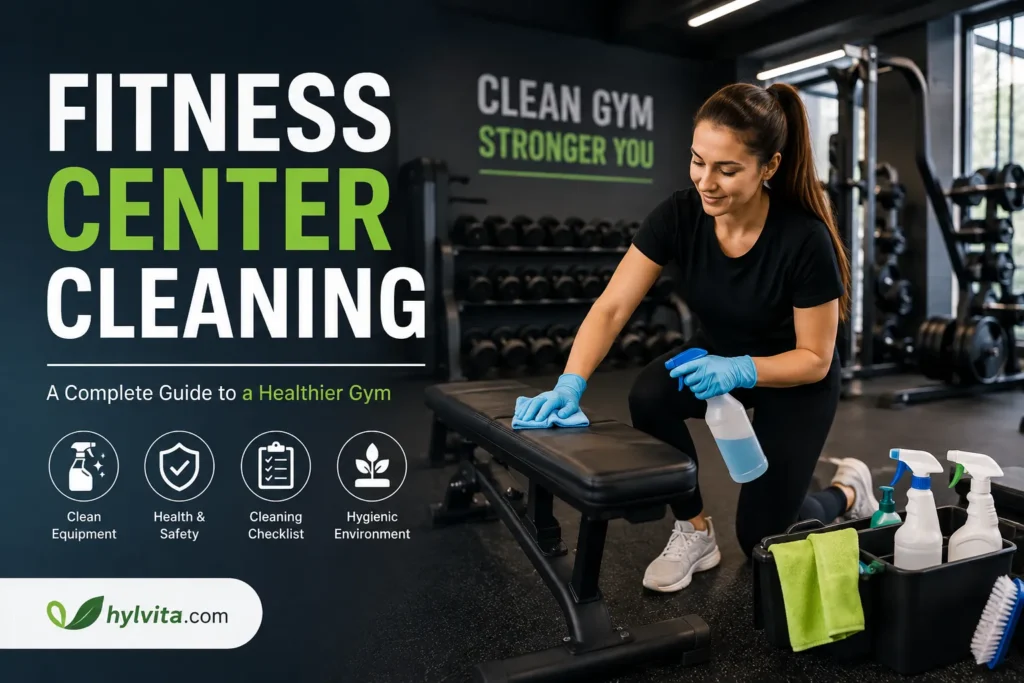
Walk into any gym at 6 a.m. and you’ll smell it before you see it. Sweat, rubber mats, and yesterday’s workout still lingering in the air.
That smell is a warning sign. It means fitness center cleaning didn’t happen the way it should have.
A gym is one of the busiest, sweatiest, and most touched places in any building. Dozens or hundreds of people grip the same barbells, sit on the same benches, and breathe in the same air every single day. Without proper cleaning, that shared space quickly turns into a breeding ground for bacteria, fungus, and viruses.
This guide breaks down what fitness center cleaning really involves, why it matters more than most gym owners realize, and how professional gym sanitation services can protect both your members and your business. Whether you run a boutique studio or manage a large fitness chain, this article will give you a clear, practical plan.
Why Fitness Center Cleaning Matters So Much
Gyms are not like offices or retail stores. People sweat, breathe heavily, and touch dozens of surfaces during a single visit.
That combination creates the perfect environment for germs to spread. Skin contact, shared equipment, and warm, humid locker rooms all add up to higher health risks than most people assume.
The Hidden Health Risks
Certain skin infections are known to spread more easily in gym settings because of shared mats, benches, and towels. This includes ringworm, which is a fungal infection, and staph infections such as MRSA, which are caused by bacteria. The CDC has flagged athletic facilities as higher-risk settings for these infections because of shared equipment and skin-to-skin contact. Athlete’s foot is another common issue, especially in locker rooms and showers where floors stay damp for hours.
Respiratory viruses, including the common cold and flu, can also spread through touched surfaces like door handles, water fountains, and cardio machine buttons. The CDC recommends regular hand hygiene and cleaning of frequently touched surfaces as one of the simplest ways to lower this risk. None of this means gyms are unsafe. It simply means cleaning has to be consistent, not occasional.
This article is for general informational purposes and is not medical advice. If you notice unusual redness, swelling, or skin changes after a workout, consult a healthcare professional.
The Business Impact
Beyond health, dirty gyms lose members. A sticky bench or a foul-smelling locker room is often the reason someone cancels their membership and never comes back.
In short, fitness center cleaning isn’t just about hygiene. It’s about trust. Members need to feel confident that the space is safe every time they walk in.
What Does Fitness Center Cleaning Actually Involve?
Many gym owners think cleaning just means wiping down machines at closing time. In reality, proper cleaning covers several layers, each with its own routine.
Daily Cleaning Tasks
These are the tasks that need attention every single day, sometimes multiple times a day.
- Wiping down cardio and strength equipment after each use
- Disinfecting high-touch points like door handles, light switches, and water fountains
- Mopping locker room and shower floors
- Emptying trash bins and replacing liners
- Restocking sanitizing wipes and hand sanitizer stations
Weekly Deep-Cleaning Tasks
Some jobs don’t need daily attention but still can’t be ignored for long.
- Deep-cleaning yoga and stretching mats
- Scrubbing shower tiles and grout to prevent mold buildup
- Cleaning air vents and fans to improve air quality
- Sanitizing free weights, kettlebells, and resistance bands thoroughly
Monthly or Quarterly Maintenance
These larger tasks keep the facility in good shape over the long run.
- Deep-cleaning carpets and rubber flooring
- Inspecting and cleaning HVAC systems
- Pressure-washing outdoor areas, if applicable
- Checking for mold or mildew in hidden corners like behind lockers
In-House Cleaning vs. Professional Gym Sanitation Services
Gym owners generally choose between handling cleaning themselves or hiring outside help. Both options work, but they come with different trade-offs.
When In-House Cleaning Makes Sense
Smaller studios with lower foot traffic sometimes manage fine with staff handling cleaning between classes. This works if the space is small and the team is trained properly on disinfecting techniques.
However, this approach depends heavily on staff consistency. If someone forgets a step or rushes through it, standards slip fast.
Advantages of in-house cleaning:
- Lower ongoing cost, since you’re not paying an outside company
- Staff already know the space and can clean between classes in real time
- More control over scheduling, since cleaning happens on your own timeline
Disadvantages of in-house cleaning:
- Quality depends on staff training and discipline, which can vary day to day
- Staff may lack knowledge of which disinfectants work against specific germs
- Deep-cleaning tasks, like vents and grout, often get skipped due to time pressure
Why Many Gyms Choose Professional Gym Sanitation Services
Larger fitness centers and gym chains often bring in gym sanitation services for a reason. Professional cleaners understand which disinfectants work against specific bacteria and viruses, and they follow a structured checklist instead of guessing.
Professional gym sanitation services also bring specialized equipment, like electrostatic sprayers, that reach corners and equipment gaps regular mopping misses. This is especially useful for large facilities with hundreds of daily visitors.
Advantages of professional gym sanitation services:
- Trained staff who know which products work against which germs
- Access to commercial-grade equipment most gyms don’t own
- Consistent results, since providers usually follow a set checklist
Disadvantages of professional gym sanitation services:
- Higher ongoing cost compared to handling it in-house
- Less flexibility if your schedule changes at the last minute
- You’re relying on an outside company’s reliability and staffing
Key Areas That Need Extra Attention
Not every part of a gym carries the same risk. Some zones need far more frequent and careful cleaning than others.
Cardio and Strength Equipment
Treadmills, bikes, and weight machines are touched by nearly every member. Handles, seats, and screens should be wiped after every use, not just at closing time.
Locker Rooms and Showers
Warm, damp environments are ideal for fungus and bacteria to grow. Floors, benches, and shower stalls need daily disinfecting, with deeper scrubbing done weekly.
Yoga and Stretching Areas
Mats and props come into direct contact with skin, sweat, and sometimes bare feet. These items should be wiped down after each class and deep-cleaned on a regular schedule.
Water Fountains and Common Areas
Water fountain buttons, spouts, and nearby surfaces are touched constantly throughout the day. A quick wipe-down every few hours goes a long way here.
Choosing the Right Gym Sanitation Services Provider
If you decide to outsource, not all cleaning companies are equal. A few things separate a good provider from an average one.
Ask About Their Experience With Fitness Facilities
Cleaning a gym is different from cleaning an office. Ask potential providers if they have specific experience with fitness centers and understand the unique hygiene challenges involved.
Check Their Disinfecting Products and Methods
A reliable provider should be able to explain which disinfectants they use and why. Look for products that are effective against a broad range of bacteria and viruses, not just general-purpose cleaners.
Ask for a Clear Cleaning Schedule
A good gym sanitation services provider will give you a written schedule covering daily, weekly, and monthly tasks. This helps you hold them accountable and track what’s actually being done.
Simple Tips to Improve Gym Hygiene Every Day
Even with a professional cleaning service, small daily habits make a big difference.
- Place spray bottles and paper towels near every equipment zone so members can wipe down machines themselves
- Post simple, friendly reminders asking members to clean equipment after use
- Keep hand sanitizer stations stocked and visible near entrances and exits
- Train staff to spot-check high-traffic areas throughout the day, not just at opening and closing
None of these tips are complicated. However, doing them consistently is what actually keeps a gym clean, not just looking clean.
FAQs About Fitness Center Cleaning
How often should a gym be cleaned?
High-touch equipment and surfaces should be wiped down multiple times a day, ideally after each use. Deeper cleaning tasks, like scrubbing locker rooms and mats, should happen daily to weekly depending on how busy the facility is.
What is the difference between cleaning and disinfecting a gym?
Cleaning removes visible dirt and sweat from a surface, while disinfecting kills bacteria and viruses that cleaning alone can’t remove. A truly hygienic gym needs both steps, not just one.
Are gym sanitation services worth the cost for small studios?
It depends on your size and budget, but many small studios find that even occasional professional deep-cleaning saves time and improves member trust. It’s worth comparing the cost against potential membership losses from a poorly maintained space.
Can poor gym hygiene actually affect my business?
Yes. Members notice dirty equipment and locker rooms quickly, and it’s a common reason people cancel memberships or leave negative reviews. Consistent fitness center cleaning directly protects both member health and your gym’s reputation.
Conclusion
A clean gym isn’t just a nice bonus. It’s the foundation of member trust, health, and long-term business success.
From daily wipe-downs to deeper weekly and monthly tasks, fitness center cleaning covers a lot of ground. Whether you handle it in-house or bring in professional gym sanitation services, the goal stays the same: a safe space where people can focus on their workout, not worry about what they’re touching.