Ever feel like your stress goes from “mild annoyance” to “total meltdown” without warning? You’re not imagining it. Stress actually builds in stages, and knowing what are five stress levels can help you catch trouble before it takes over your life.
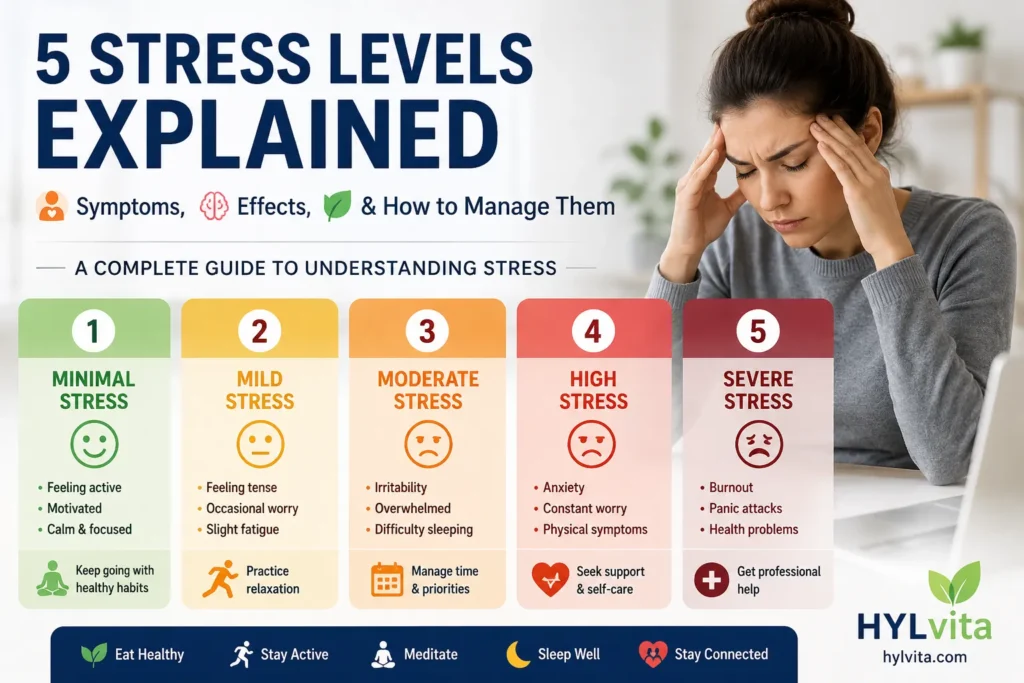
Most people think of stress as one big blob of bad feelings. But experts break it down into five levels of stress, each with its own symptoms and effects. Once you understand different levels of stress, you can spot early warning signs and act before things get worse.
In this article, we’ll walk through each of the five stages of stress in plain language. You’ll learn what each level feels like, how it affects your body and mind, the advantages and disadvantages of stress at each stage, and simple ways to manage it.
Medical Disclaimer: This article is for general educational purposes only and is not a substitute for professional medical or mental health advice, diagnosis, or treatment. Always seek the guidance of a qualified healthcare provider or licensed mental health professional.
Why Understanding Stress Levels Matters
Stress isn’t always bad. In small doses, it actually helps you — it sharpens your focus before a big exam or gives you the energy to meet a tight deadline. According to the Cleveland Clinic, stress is a natural human reaction, and everyone experiences some form of it; the goal isn’t to eliminate stress but to keep it from becoming overwhelming.
However, problems start when stress builds up without a break. Over time, it moves through stages, and each stage gets harder on your body.
Think of stress like a pot of water on a stove. A little heat makes it simmer gently. But if you keep turning up the heat and never remove the pot, it boils over. Stress levels work the same way — the earlier you notice the heat rising, the easier it is to turn it down.
The Five Levels of Stress Explained
Here is a simple breakdown of the five levels of stress, from mild to severe. Most stress experts and psychologists agree these stages follow a fairly predictable pattern.
Level 1: Mild Stress (Everyday Pressure)
This is the stress you feel almost every day. A traffic jam, a full inbox, or a small disagreement with a coworker can trigger it.
Symptoms:
- Slight tension in your shoulders or neck
- Mild restlessness
- A quick jump in heart rate that settles fast
Effects: Mild stress usually passes within minutes to a few hours. In fact, this level can actually be helpful. It keeps you alert and focused on the task in front of you.
How to manage it: Take a few deep breaths, stretch, or step away from your desk for five minutes. Simple habits like these stop mild stress from building into something bigger.
Level 2: Moderate Stress (Ongoing Pressure)
Moderate stress shows up when a stressful situation lasts longer than a day. This could be a busy work week, a family issue, or preparing for an important event.
Symptoms:
- Trouble falling asleep
- Irritability or a short temper
- Mild headaches
- Difficulty concentrating
Effects: At this stage, stress starts affecting your mood and sleep. You might notice you’re snapping at people more than usual, or that your mind keeps drifting during the day.
How to manage it: Regular exercise, even a short walk, helps a lot here. Talking to a friend or writing down what’s bothering you can also relieve pressure before it builds further.
Level 3: High Stress (Chronic Pressure)
High stress happens when the pressure doesn’t let up for weeks or months. This is common during major life changes, like a new job, financial trouble, or caring for a sick family member.
Symptoms:
- Constant fatigue, even after sleeping
- Frequent headaches or muscle pain
- Upset stomach or digestive issues
- Trouble focusing on simple tasks
Effects: By this stage, stress starts to affect your physical health, not just your mood. Your immune system may weaken, which means you could catch colds more often. Moreover, many people start feeling emotionally drained rather than just tired.
How to manage it: This is the point where structured stress management helps most. Techniques like deep breathing exercises, journaling, or setting clear boundaries at work can make a real difference. If the stress continues, talking to a doctor or counselor is a smart next step.
Level 4: Severe Stress (Overwhelming Pressure)
Severe stress is intense and often feels impossible to escape. It can happen after a major loss, a serious illness, or a prolonged crisis like job loss combined with financial strain.
Symptoms:
- Panic attacks or a racing heart for no clear reason
- Constant anxiety or a sense of dread
- Withdrawing from friends and family
- Noticeable changes in appetite (eating much more or much less)
Effects: At this level, stress starts interfering with daily life. Work, relationships, and basic self-care often suffer. Some people also experience physical symptoms like chest tightness or shortness of breath, which can feel frightening.
How to manage it: Professional support becomes important here. A therapist or counselor can teach coping tools suited to your situation. In short, this is not a stage to try to push through alone.
Level 5: Extreme Stress (Crisis Level)
Extreme stress, sometimes called a stress crisis, is the most serious stage. It usually follows a traumatic event or a long period of severe, unmanaged stress.
Symptoms:
- Feeling completely overwhelmed or numb
- Inability to function normally (missing work, skipping meals, avoiding people)
- Physical symptoms like chest pain, extreme fatigue, or a rapid heartbeat
- Thoughts of hopelessness
Effects: This stage can seriously harm both mental and physical health if it isn’t addressed. It may also increase the risk of conditions like depression, anxiety disorders, or heart-related problems over time. The National Institute of Mental Health notes that unmanaged stress can also raise the risk of developing an anxiety disorder over time.
How to manage it: This level calls for immediate professional help. A doctor, therapist, or mental health hotline can provide the right support. If you or someone you know is struggling with hopelessness, reaching out to a crisis helpline is a critical first step.
Advantages and Disadvantages of Each Stress Level
Not all stress is created equal, and it’s worth being honest about what each level actually gets you — and what it costs you. This is sometimes described as the difference between “eustress” (helpful stress) and “distress” (harmful stress).
| Stress Level | Advantages | Disadvantages |
|---|---|---|
| Level 1 – Mild | Sharpens focus, boosts short-term alertness, can improve performance on a task | Minimal on its own, but frequent, unrelieved mild stress can quietly accumulate over weeks |
| Level 2 – Moderate | Can motivate you to meet deadlines and solve problems more efficiently | Starts disrupting sleep, mood, and concentration; irritability affects relationships |
| Level 3 – High | Sometimes acts as a wake-up call to make a needed life change | Weakens the immune system, causes chronic fatigue, and increases susceptibility to illness |
| Level 4 – Severe | Almost no upside; occasionally pushes someone to finally seek help | Interferes with daily functioning, self-care, work, and relationships |
| Level 5 – Extreme | No meaningful advantage — this is a crisis state | Serious risk to physical and mental health, including links to depression, anxiety disorders, and cardiovascular problems |
The takeaway: A little stress (Levels 1–2) can genuinely work in your favor. Once stress crosses into Level 3 and beyond, the disadvantages consistently outweigh any benefit, and professional support becomes more important than self-management alone.
How to Tell Which Stress Level You’re At
Recognizing your stage of stress isn’t always easy, especially since stress can creep up slowly. Here are a few quick questions to ask yourself:
- How long has the stress lasted? A few hours suggests mild stress; several months suggests something more serious.
- Is it affecting your sleep or appetite? Changes here often signal moderate to high stress.
- Are you avoiding people or responsibilities? This is a common sign of severe or extreme stress.
- Do you feel physically unwell often? Frequent headaches, stomach issues, or chest tightness point to higher stress levels.
Being honest with yourself about these signs makes it much easier to choose the right next step.
General Tips to Manage Stress at Any Level
While each stage of stress needs a slightly different approach, some habits help across the board.
Build Daily Stress-Relief Habits
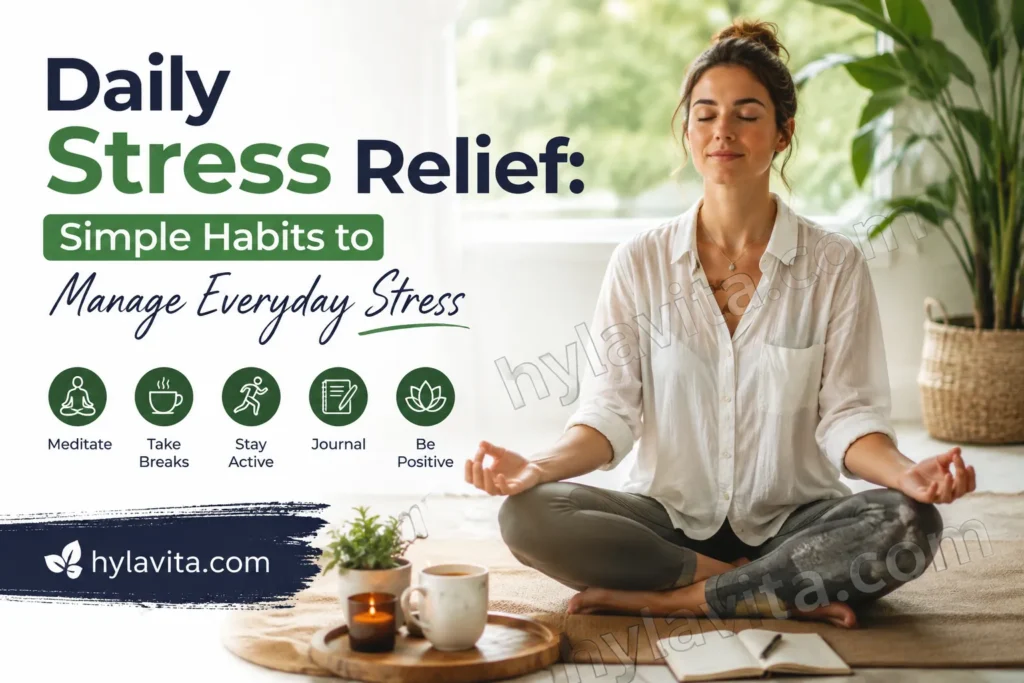
Small daily habits prevent stress from piling up. For example, a 10-minute walk, a few minutes of stretching, or even listening to calming music can lower stress hormones. Our Stress Management resources go deeper into daily routines that fit into a busy schedule. (Swap in your specific Stress Management category or article URL here if you have one.)
Practice Breathing and Relaxation Techniques
Deep breathing signals your brain to calm down. Try breathing in for four seconds, holding for four seconds, and breathing out for four seconds. Repeat this a few times whenever you feel tense. Mayo Clinic notes that mindfulness practices like this calm the nervous system and reduce the body’s cortisol response.
Talk to Someone You Trust
Bottling up stress usually makes it worse. Talking to a friend, family member, or therapist gives you a chance to process what’s going on instead of carrying it alone.
Know When to Seek Professional Help
If stress reaches level three or higher and doesn’t improve with self-care, it’s time to speak with a doctor or mental health professional. There’s no shame in asking for help — it’s often the fastest way back to feeling steady. If you’d like more on building a personal coping toolkit, see our guide to Self-Care on Hylavita. (Swap in your specific Self-Care article URL if you have one.)
FAQs About Stress Levels
What are five stress levels? The five stress levels are mild, moderate, high, severe, and extreme. They range from everyday pressure that passes quickly to a crisis-level stress that requires immediate professional support.
What is the difference between stress and anxiety? Stress is usually a reaction to an outside pressure, like a deadline or an argument. Anxiety, on the other hand, can continue even without a clear cause and often involves ongoing worry.
Can stress levels change quickly? Yes, stress levels can shift quickly depending on the situation. A sudden shock can push mild stress to a high level almost instantly, while calming activities can bring high stress back down.
How long does it take to recover from high stress? Recovery time varies from person to person. With good habits and support, moderate stress often improves within days or weeks, while severe or extreme stress may take longer and often benefits from professional guidance.
Is some stress actually good for you? Yes. Mild stress, sometimes called “positive stress,” can improve focus and performance. The problem starts when stress becomes constant or intense without breaks for rest and recovery.
Conclusion
Understanding what are five stress levels — mild, moderate, high, severe, and extreme — gives you a clear map of how stress builds over time. Each stage has its own symptoms, effects, advantages, and disadvantages, and the right way to manage it.
The key is catching stress early, before it climbs to a higher level. Simple habits like deep breathing, regular movement, and honest conversations can go a long way. However, if you notice signs of severe or extreme stress, don’t hesitate to reach out to a doctor or mental health professional.
Your stress levels are worth paying attention to. Start by checking in with yourself today, and take one small step toward feeling calmer.