
What Is an Active Recovery Day?
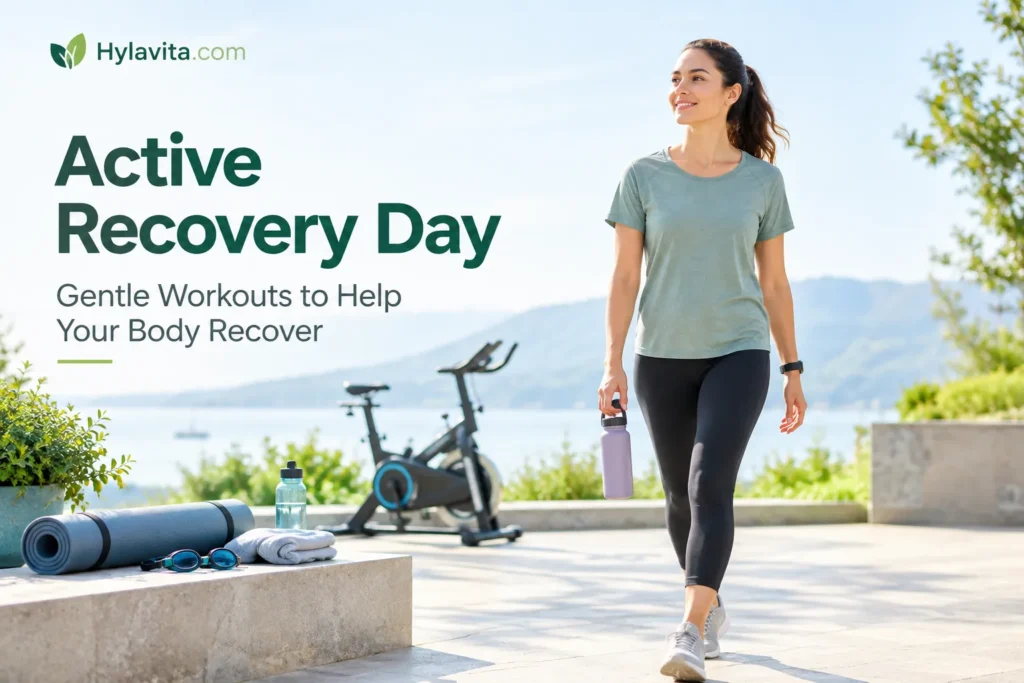
An active recovery day uses gentle movement after harder exercise sessions. It gives your body a break without complete inactivity. Activities can include easy walking, gentle stretching, light cycling, or yoga.
Unlike complete rest, active recovery keeps you moving at low intensity. The goal is not to build strength or push your fitness limits. Instead, you should move comfortably without creating much extra physical stress.
Light movement can increase circulation and help reduce feelings of stiffness. It can also help you feel more comfortable between challenging workouts. However, active recovery does not replace proper sleep and regular rest.
If you feel sick, injured, or unusually tired, choose complete rest instead. Your recovery needs can change based on your training and energy levels.
Why Are Active Recovery Days Important?
Active recovery days give your body time to recover after harder workouts. Light movement can support circulation and help reduce feelings of stiffness. It also lets you stay active without adding heavy training stress.
Supports Muscle Recovery
Hard workouts place stress on your muscles and require recovery time. Light activities can keep you moving without heavy training demands. Walking, easy cycling, or gentle stretching can fit well. Recovery also includes enough sleep, food, hydration, and regular rest.
Helps Reduce Muscle Stiffness
Muscles can feel stiff or sore after challenging exercise sessions. Gentle movement may help loosen muscles and improve comfort. A short walk or easy mobility routine can work well. However, avoid intense exercise when soreness feels severe or gets worse.
Keeps You Moving Without Heavy Training
Active recovery keeps your body moving while lowering exercise intensity. You can choose activities that feel easy and comfortable. Swimming, walking, or gentle cycling are common options. The goal is movement, not another demanding workout. This approach gives tired muscles more recovery time.
Supports Consistent Exercise Habits
Recovery days can help you balance challenging workouts with easier activity. This balance gives your body time to recover between harder sessions. It can also make regular exercise easier to maintain. Remember that complete rest may be better when you feel sick, injured, or unusually tired.
Best Active Recovery Day Workout Ideas
Active recovery should feel easy and comfortable for your body. Choose gentle activities that keep you moving without heavy training stress.
Easy Walking
Walking is one of the simplest active recovery choices. Keep your pace comfortable and relaxed. Avoid steep hills or fast walking during recovery. A short walk can keep you moving without demanding much effort. You can walk outdoors, around your home, or on a treadmill.
Light Cycling
Easy cycling can provide gentle movement without heavy impact. Use a low resistance setting and comfortable pace. Avoid hard climbs, sprints, or long rides during recovery. A stationary bike can also work well indoors. Stop or slow down if your muscles feel more tired.
Swimming
Easy swimming can give your body gentle full-body movement. Keep your pace relaxed and avoid hard swimming intervals. Choose simple strokes that feel comfortable for you. Swimming can also provide variety when your usual workouts involve running or strength training. Keep the session easy throughout.
Gentle Yoga
Gentle yoga can combine slow movement with comfortable stretching. Choose simple poses that do not strain sore muscles. Avoid advanced poses or demanding flows during recovery. Focus on breathing and controlled movements instead. Yoga can also help you work on flexibility and comfortable range of motion.
Mobility Exercises
Mobility exercises use controlled movements through comfortable joint ranges. Try gentle shoulder circles, ankle movements, or hip movements. Keep each movement slow and controlled. Do not force your joints into uncomfortable positions. Mobility work can help you stay active while keeping recovery intensity low.
Light Stretching
Light stretching can fit easily into an active recovery routine. Focus on major muscle groups that feel tight. Move gently and avoid forcing any stretch. Hold comfortable static stretches without bouncing. Stretching can support flexibility and range of motion over time. It should never cause sharp or worsening pain.
How to Plan an Active Recovery Day
An active recovery day should feel easier than your normal workout. Choose simple movements that help you stay active without adding much stress. Your plan should also match your energy and recovery needs.
Choose Low-Intensity Activities
Choose activities that feel easy and comfortable for your body. Walking, gentle cycling, swimming, or light stretching can work well. Avoid sprints, heavy weights, and demanding workouts. The goal is to keep moving without pushing your body hard.
Keep the Workout Short
Keep your recovery session shorter than your regular workouts. There is no single time that works for everyone. A short, easy session can provide movement without adding excessive training stress. You can reduce the duration if you feel tired or sore.
Focus on Comfortable Movement
Your movements should feel smooth, relaxed, and controlled. Avoid exercises that cause sharp pain or increase soreness. Slow down whenever an activity feels too demanding. Active recovery should help you feel refreshed, not exhausted. Listen to your body throughout the entire session.
Allow Enough Time for Recovery
Recovery involves more than choosing light exercise. Give your body enough time between challenging training sessions. Prioritize sleep, nutritious meals, hydration, and regular rest. If you feel sick, injured, or unusually tired, choose rest instead of active recovery.
Active Recovery vs. Complete Rest
| Comparison | Active Recovery | Complete Rest |
|---|---|---|
| What It Means | Gentle, low-intensity movement. | A break from planned exercise. |
| Examples | Walking, easy cycling, gentle yoga, or stretching. | No structured workout or training session. |
| Main Purpose | Keeps you lightly active while reducing training stress. | Gives your body more time to recover. |
| When to Choose | When you feel comfortable and have enough energy. | When you feel very tired, sick, or injured. |
| Exercise Intensity | Easy and comfortable. | No intentional exercise. |
| What to Avoid | Heavy training or movements that increase discomfort. | Returning to hard training too soon. |
| Recovery Focus | Gentle movement and physical recovery. | Rest, sleep, nutrition, and recovery. |
What Should You Avoid on a Muscle Recovery Day?
Recovery days should reduce training stress rather than add more demanding exercise. Keep your activities gentle and comfortable.
Heavy Strength Training
Avoid heavy lifting when your muscles need recovery. Hard strength sessions can place more stress on already tired muscles. Choose gentle movement instead. Walking, light cycling, or stretching can provide activity without repeating demanding strength work.
High-Intensity Cardio
Skip sprints, hard intervals, and other demanding cardio sessions. These activities can add more training stress during recovery. Choose an easier activity and keep your pace comfortable. Your recovery day should feel noticeably easier than your normal training sessions.
Training Through Significant Pain
Do not ignore significant or worsening pain during exercise. Sharp or persistent pain may indicate an injury. Stop the activity and allow proper recovery. Consider speaking with a healthcare professional when pain continues.
Excessive Exercise Volume
Avoid turning recovery days into long workout sessions. Too much exercise can reduce recovery time and increase training stress. Keep activity light and controlled. Give your body enough time between demanding workouts.
Nutrition and Hydration for Muscle Recovery
Good nutrition and hydration help your body recover after physical activity. Your body needs enough energy, protein, carbohydrates, fluids, and other nutrients.
Eat Enough Protein
Protein provides amino acids that support muscle repair and maintenance. Include protein-rich foods throughout your regular meals. Eggs, yogurt, milk, beans, fish, chicken, and nuts are useful choices. You do not need excessive protein for better recovery. Overall nutrition and enough energy also matter.
Include Carbohydrates and Healthy Foods
Carbohydrates help restore energy stores used during exercise. Include foods like oats, rice, potatoes, fruits, and whole grains. Add vegetables and healthy fats for a balanced diet. Eating enough overall supports normal body functions and recovery. Your needs can change with activity levels and training demands.
Stay Hydrated
Drink fluids regularly before, during, and after physical activity. Water usually works well for everyday exercise and normal hydration. Longer or harder workouts may increase fluid and electrolyte needs. Sweat loss depends on exercise intensity, duration, weather, and individual differences. Replace fluids lost through sweating during recovery.
How Often Should You Have an Active Recovery Day?
There is no single recovery schedule that works for everyone. Your needs depend on your training level, workout intensity, and overall fatigue.
People doing harder or higher-volume training may need more recovery time. Less demanding routines may require fewer dedicated recovery days. Pay attention to how your body feels after each workout.
After a very challenging session, choose easier activity or rest. Avoid turning an active recovery day into another hard workout. Keep movement gentle and comfortable throughout the session.
If you feel unusually tired, sore, or run-down, take more rest. Persistent pain should not be treated as normal workout soreness. When needed, speak with a healthcare professional for appropriate guidance.
Signs You May Need More Recovery
Your body can show signs when it needs more recovery between workouts. Persistent soreness can mean your muscles need additional recovery time.
Persistent Muscle Soreness
Soreness that continues longer than expected may signal incomplete recovery. Give your body more time before demanding exercise.
Unusual Tiredness
Feeling unusually tired can happen when training stress becomes too high. Consider reducing exercise intensity and prioritizing rest and sleep.
Reduced Exercise Performance
A noticeable drop in performance can signal that recovery needs attention. Do not keep increasing training intensity when performance continues declining.
H3: Poor Sleep or Lack of Energy
Poor sleep can make physical recovery harder and affect exercise performance. Give sleep, nutrition, and rest enough attention during recovery.
FAQs About Active Recovery Days
What Is the Best Active Recovery Day Workout?
There is no single best active recovery workout for everyone. Choose gentle activities that feel comfortable and easy. Walking, light cycling, swimming, gentle yoga, and stretching can work well. Keep the intensity lower than your normal workouts.
Can I Walk on a Muscle Recovery Day?
Yes, easy walking can work well on a recovery day. Keep your pace relaxed and avoid steep hills or fast intervals. Walking should not leave you exhausted afterward. Stop if walking increases pain or discomfort during your recovery.
Is Stretching Good for Active Recovery?
Gentle stretching can be part of an active recovery routine. It may help maintain flexibility and comfortable movement. Avoid forcing a stretch or bouncing through movements. Keep each stretch comfortable and stop when you feel pain.
How Long Should an Active Recovery Workout Last?
There is no fixed duration for every person. Keep your session short and easy enough for recovery. Your activity should feel easier than normal training. Reduce the duration if you feel tired, sore, or uncomfortable during movement.
Should I Take a Complete Rest Day Instead?
Complete rest may suit you when active movement feels too difficult. Choose rest if you feel sick, injured, sleep-deprived, or unusually tired. Recovery also includes enough sleep, food, hydration, and time away from demanding exercise.
Conclusion
Active recovery gives your body gentle movement between harder workouts. It can help you stay active without adding heavy training stress. Simple options include walking, light cycling, gentle yoga, and stretching. Choose activities that feel comfortable and easy. Your recovery needs can change based on training intensity and fatigue. Some days may require complete rest instead. Pay attention to soreness, energy levels, and overall comfort. Avoid pushing through pain or unusual tiredness. Good sleep, proper nutrition, hydration, and rest also support recovery. Make active recovery a flexible part of your training routine. This approach helps balance exercise with the recovery your body needs.
Hylavita’s suggestion to read
- How Does an Ab Machine Work? Benefits and Common Mistakes
- 30-Day Running Plan for Beginners: Build Fitness Step by Step
- Lower Ab Workout: 10 Effective Exercises for a Stronger Core
Health Disclaimer:This article is for general educational purposes only and does not provide medical advice. Consider your health, fitness level, and recovery needs before exercising. Stop exercising if you experience pain, dizziness, or unusual symptoms. Consult a qualified healthcare professional for personal medical guidance.