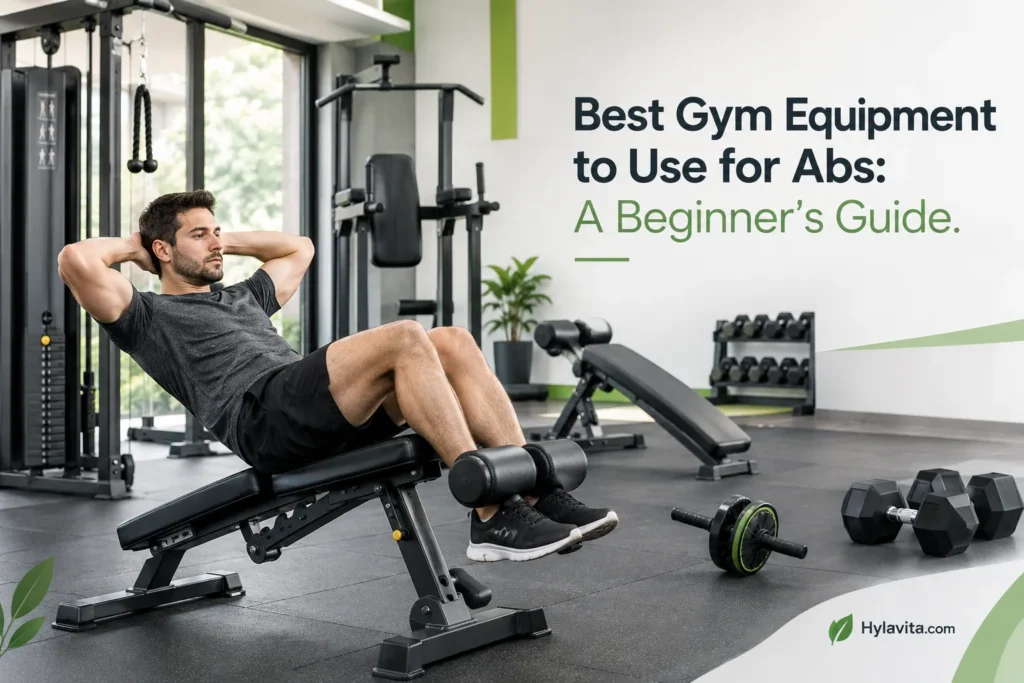
Choosing the right gym equipment can make ab workouts easier and more effective. Many machines help strengthen your abdominal muscles and improve core stability. Beginners can start with simple equipment and gradually increase the difficulty. You do not need every machine to build stronger abs. The key is using proper form and training consistently. This guide explains the best gym equipment for abs and how beginners can use it safely.
What Is the Best Gym Equipment to Use for Abs?
The best gym equipment for abs depends on your fitness level and goals. The ab crunch machine helps beginners train their abdominal muscles with controlled resistance. Cable machines allow weighted crunches and gradual progress. Captain’s chairs help train the abs through knee raises. Ab wheels challenge core strength but require good control. Dumbbells can add resistance to certain ab exercises. Start with comfortable equipment and focus on proper form before increasing difficulty.
6 Best Gym Equipment Options for Abs
1. Ab Crunch Machine
The ab crunch machine helps train your abdominal muscles using resistance. Sit comfortably and adjust the seat before starting. Hold the handles and slowly curl your torso forward. Keep your movements controlled and avoid pulling with your arms. Choose a light weight if you are new to this machine. Focus on using your abs rather than rushing through repetitions.
2. Cable Machine
A cable machine allows you to perform weighted abdominal exercises. Cable crunches are a popular choice for strengthening the abs. Kneel in front of the cable and hold the rope near your head. Slowly curl your upper body toward the floor using your abs. Keep your hips steady throughout the movement. Start with light resistance and increase it gradually as your technique improves.
3. Captain’s Chair
The captain’s chair supports your body during knee-raise exercises. It usually has padded armrests, handles, and a backrest. Place your forearms on the pads and hold the handles firmly. Slowly lift your knees toward your chest without swinging your body. Lower your legs with control before repeating. This exercise works your abdominal muscles and hip flexors. Beginners can start with a few controlled repetitions.
4. Decline Bench
A decline bench lets you perform crunches at an angled position. Secure your feet properly before beginning the exercise. Cross your arms over your chest or place your hands beside your head. Slowly lift your upper body by tightening your abdominal muscles. Lower yourself without dropping backward. Decline crunches can feel harder than regular crunches. Beginners should start with a gentle angle and avoid pulling their neck.
5. Ab Wheel Roller
An ab wheel roller challenges your core strength and control. Kneel on a mat and grip both handles firmly. Slowly roll the wheel forward while keeping your abdominal muscles tight. Move only as far as you can control without arching your lower back. Then roll back to your starting position. Beginners should use short movements first. Stop if you experience pain or cannot maintain proper form.
6. Dumbbells
Dumbbells can add resistance to certain abdominal exercises. You can hold a light dumbbell during crunches or perform controlled standing rotations. Choose a weight that allows smooth, comfortable movement. Keep your core engaged and avoid twisting your back forcefully. Beginners should learn each movement without extra weight first. Increase resistance gradually as strength and control improve. Dumbbells also support other exercises that challenge overall core stability.
Beginner Ab Workout Using Gym Equipment
Beginners can build stronger abs with a simple gym equipment routine. Start with the ab crunch machine for two sets of 10 repetitions. Next, perform captain’s chair knee raises for two sets of eight repetitions. Finish with light dumbbell crunches for two sets of 10 repetitions. Rest for 60–90 seconds between sets. Choose manageable resistance and maintain proper form during every exercise. Avoid swinging your body or straining your neck and back. Train your abs two or three days weekly, allowing recovery between sessions. Start with fewer repetitions if the exercises feel difficult. Gradually increase repetitions or resistance as your strength improves. Stop if you experience sharp pain during exercise.
How to Choose the Right Ab Equipment
Choose gym equipment that matches your fitness level and feels comfortable. Beginners can start with an ab crunch machine or light dumbbells. Pick a resistance level that allows smooth, controlled movements. Avoid using heavy weights before learning the correct technique. Focus on proper form and steady breathing during every repetition. If equipment feels uncomfortable or causes pain, stop using it. Increase resistance gradually as your strength and confidence improve. Remember, safe movements matter more than lifting heavier weights during ab workouts.
Common Mistakes to Avoid When Using Ab Equipment
Using too much weight can make ab exercises harder to control. Always choose resistance that matches your current strength. Avoid pulling your neck during crunches or other abdominal exercises. Keep your movements slow instead of swinging your body. Poor technique can reduce exercise quality and increase injury risk. Never ignore sharp pain or unusual discomfort during workouts. Focus on proper form before increasing weight or repetitions. Stop and adjust your technique whenever an exercise feels uncomfortable.
Can Gym Equipment Help You Get Visible Abs?
Gym equipment can strengthen your abdominal muscles and improve core stability. However, strong abs may not always be visible beneath body fat. Your overall body fat level affects how clearly your abs appear. Balanced nutrition, regular exercise, and enough sleep support your fitness goals. Remember, ab exercises cannot specifically burn belly fat. Combine core training with full-body exercise and healthy eating for better results.
Frequently Asked Questions About Gym Equipment for Abs
What Is the Best Gym Machine for Abs?
The ab crunch machine helps you train your abdominal muscles with added resistance. Cable machines also allow controlled, weighted ab exercises. The best choice depends on your fitness level, comfort, and goals.
Can Beginners Use Ab Machines?
Yes, beginners can use ab machines with proper guidance and suitable resistance. Start with light weights and controlled movements. Learn the correct technique before increasing the difficulty. Stop if you experience pain or discomfort.
How Often Should You Train Your Abs?
Beginners can train their abs two or three days each week. Leave recovery time between sessions to help your muscles recover. Start with a manageable routine and increase difficulty gradually. Adjust your schedule if soreness affects your movement or exercise form.
Can You Get Abs Using Gym Equipment Alone?
Gym equipment can strengthen and develop your abdominal muscles. However, visible abs also depend on body fat, nutrition, and individual differences. Combine ab exercises with full-body training and balanced meals. No machine can guarantee visible abs on its own.
Is an Ab Crunch Machine Better Than Cable Crunches?
Both exercises can strengthen your abdominal muscles when performed correctly. An ab crunch machine provides guided movement and adjustable resistance. Cable crunches allow more flexibility in resistance and positioning. Choose the exercise that feels comfortable and helps you maintain proper form.
Conclusion
The best gym equipment for abs depends on your fitness level and goals. Start with beginner-friendly machines and focus on proper form. Train consistently and increase resistance gradually as your strength improves. Combine ab workouts with balanced nutrition and regular exercise. Remember, stronger abs develop through patience, practice, and healthy habits.
Hylavita’s suggestion to read
- How Does an Ab Machine Work? Benefits and Common Mistakes
- Lower Ab Workout: 10 Effective Exercises for a Stronger Core
- Training for Abs: Best Exercises, Benefits & Tips
Disclaimer: This article is for informational and educational purposes only. It does not replace professional medical or fitness advice. Consult a qualified healthcare professional before starting a new exercise routine, especially if you have existing health concerns. Stop exercising if you experience pain or discomfort.