What Is High Blood Pressure and Why Does It Matter?
What blood pressure numbers mean
Blood pressure shows how strongly blood pushes against artery walls. It has two numbers. The top number is systolic pressure. It measures pressure when your heart beats. The bottom number is diastolic pressure. It measures pressure between heartbeats. For adults, normal blood pressure is below 120/80 mm Hg.
When blood pressure is considered high
High blood pressure is also called hypertension. For adults, Stage 1 starts at 130/80 mm Hg. Stage 2 starts at 140/90 mm Hg. Doctors confirm high blood pressure using repeated, careful measurements. One unusual reading does not always mean hypertension.
Why lifestyle changes can help
Healthy habits can help prevent and manage high blood pressure. Eating well and exercising regularly can lower blood pressure. Reducing sodium and managing stress can also help. These habits may also reduce heart disease and stroke risks. Some people still need medicine alongside lifestyle changes.
How to Lower Blood Pressure Naturally Through Diet
Eat more potassium-rich foods
Potassium can help balance sodium and support healthy blood pressure levels. Good sources include bananas, potatoes, beans, yogurt, and leafy greens.
However, people with kidney problems may need to limit potassium. Ask your healthcare professional before making major changes.
Reduce sodium and salty foods
Eating too much sodium can raise blood pressure. Limit salty snacks, processed meats, canned soups, and packaged foods. Choose fresh foods more often when possible. The DASH plan recommends limiting sodium to 2,300 milligrams daily. Some adults may benefit from 1,500 milligrams daily.
Choose more fruits and vegetables
Fruits and vegetables provide potassium, fiber, and other helpful nutrients. Try adding different colors to your meals each day. Fresh, frozen, or low-sodium options can all fit.
Eat whole grains and high-fiber foods
Choose oatmeal, brown rice, whole-grain bread, and other whole grains. These foods provide fiber and important nutrients. Beans, lentils, fruits, and vegetables also provide useful dietary fiber.
Choose healthy protein sources
Choose fish, skinless poultry, beans, lentils, nuts, and seeds more often. Low-fat dairy can also provide protein and calcium. Limit fatty and processed meats when possible.
Limit processed and sugary foods
Highly processed foods often contain excess sodium, saturated fat, or added sugars. Limit sugary drinks, sweets, processed meats, and heavily packaged foods. Choose minimally processed foods more often for better heart health.
Try the DASH-Style Eating Pattern
The DASH eating plan means Dietary Approaches to Stop Hypertension. It supports healthy blood pressure through balanced food choices. Research shows that DASH can lower blood pressure.
Foods to include
Build meals around vegetables, fruits, and whole grains. Choose low-fat dairy foods, fish, poultry, beans, nuts, and seeds. These foods provide fiber, potassium, calcium, magnesium, and protein.
Foods to limit
Limit foods high in sodium, saturated fat, and added sugars. This includes salty packaged foods, fatty meats, and sugary drinks. DASH commonly uses a sodium limit of 2,300 milligrams daily. A 1,500-milligram limit can lower blood pressure further.
How the DASH approach supports heart health
DASH can help lower blood pressure when followed consistently. Reducing sodium can make its blood-pressure benefits stronger. The plan also supports healthier cholesterol levels and overall heart health.
Stay Physically Active to Support Healthy Blood Pressure
Regular physical activity can help manage blood pressure and support heart health. It can also reduce stress and improve overall fitness.
Walking and other aerobic activities
Brisk walking offers a simple way to increase daily physical activity. Other options include cycling, swimming, jogging, and dancing. Regular aerobic exercise can help lower blood pressure over time.
Strength training
Strength training can also support healthy blood pressure levels. You can use weights, resistance bands, or bodyweight exercises. Aim to train all major muscle groups during your sessions.
How often should you exercise?
Adults should aim for 150 minutes of moderate activity weekly. Another option is 75 minutes of vigorous activity each week. Add muscle-strengthening exercises on at least two days weekly. Spread activities across the week when possible. Start gradually if you have been inactive recently.
Maintain a Healthy Sleep Routine
How poor sleep may affect blood pressure
Poor sleep can affect heart health and blood pressure over time. During healthy sleep, blood pressure normally drops. Regular sleep problems may prevent this normal nighttime decrease. Adults should generally aim for seven to nine hours nightly.
Simple habits for better sleep
Try going to bed and waking up at consistent times. Keep your bedroom quiet, cool, and comfortable. Turn off electronic devices before bedtime. Avoid caffeine later in the day. Regular physical activity can also support better sleep.
Manage Stress Naturally
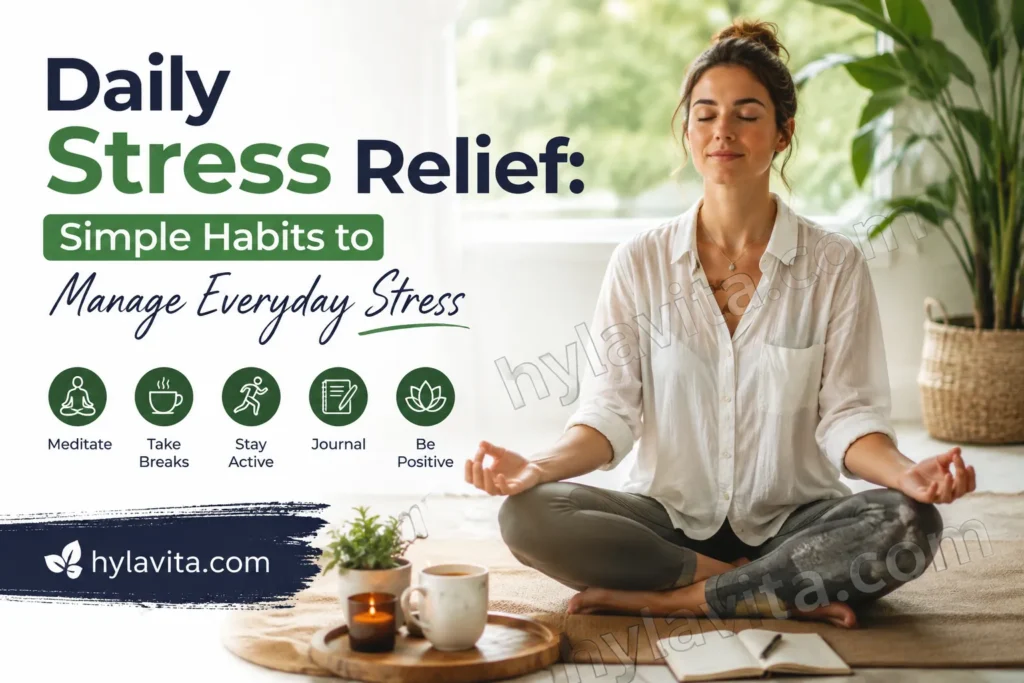
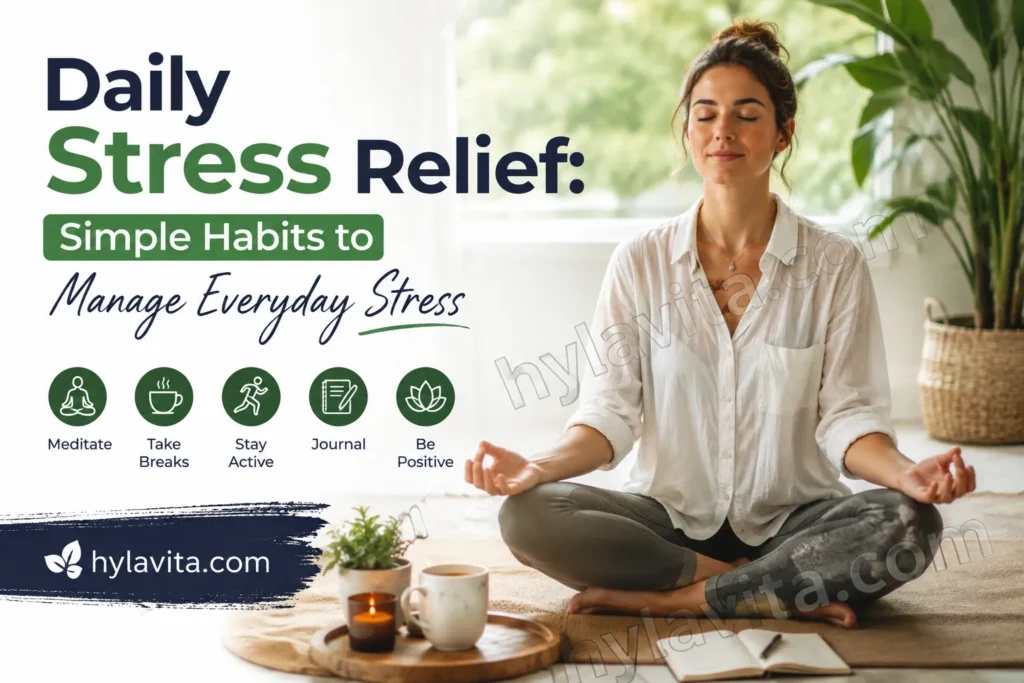
Stress can temporarily raise blood pressure by increasing heart rate and tightening blood vessels. Managing stress can support healthier habits and overall heart health.
Practice slow breathing
Slow, deep breathing can help your body relax and may lower blood pressure. Take comfortable, slow breaths through your nose. Then breathe out slowly through your mouth. Stop if you feel dizzy or lightheaded.
Make time for relaxing activities
Choose activities that help you feel calm and refreshed. Try walking, reading, meditation, gentle yoga, or listening to music. Spending time with supportive friends can also help manage stress.
Build a balanced daily routine
Create regular times for sleep, meals, activity, and relaxation. Regular exercise can help reduce stress and support heart health. Aim for healthy habits instead of trying to remove every stressor.
Limit Alcohol and Avoid Smoking
How alcohol can affect blood pressure
Drinking too much alcohol can raise blood pressure over time. It can also increase the risk of heart disease and stroke. For people who drink, drinking less reduces these health risks.
Why smoking is harmful to heart health
Smoking damages blood vessels and increases cardiovascular disease risk. Nicotine can also raise blood pressure temporarily. Quitting smoking reduces the risk of heart disease and stroke. Avoiding secondhand smoke also protects heart and blood vessel health.
Other Daily Habits That May Help Lower Blood Pressure
Drink enough fluids
Drink fluids regularly throughout the day to support normal body functions. Your fluid needs can vary with activity, weather, and health conditions. Avoid relying on water alone to lower blood pressure.
Avoid excessive caffeine
Caffeine can temporarily raise blood pressure in some people. Avoid caffeine for 30 minutes before checking your blood pressure. High-caffeine energy drinks can also raise blood pressure significantly.
Stay consistent with healthy habits
Healthy habits work best when you follow them regularly. Keep eating nutritious foods and staying physically active. Continue managing stress and getting enough sleep each night. These habits can support better blood pressure control.
Monitor your blood pressure at home
Use a validated automatic upper-arm monitor when checking blood pressure. Sit quietly for five minutes before taking your reading. Take two readings one minute apart and record both results.
Foods to Eat and Limit for Better Blood Pressure
The foods you choose can make a real difference to blood pressure. Focus on whole foods and limit excess sodium, added sugars, and unhealthy fats. A DASH-style eating pattern can support healthier blood pressure.
Best foods for healthy blood pressure
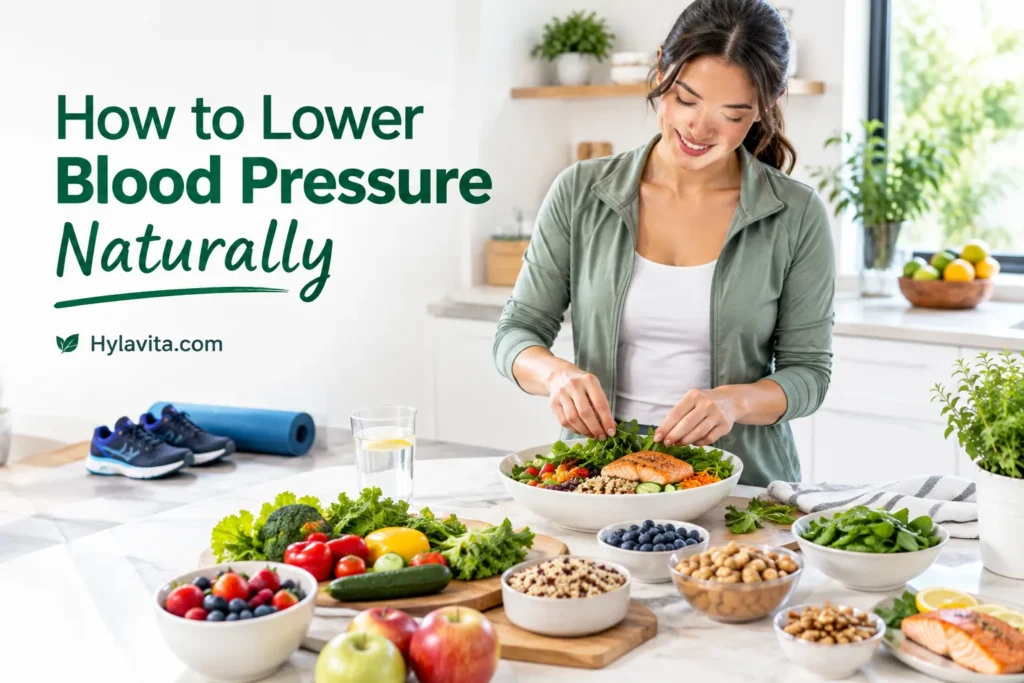
Eat plenty of vegetables, fruits, and whole grains each day. Choose beans, lentils, nuts, seeds, fish, and lean poultry. Low-fat dairy foods can also provide calcium and protein. These foods provide important nutrients, including potassium, magnesium, and fiber.
Foods high in sodium to limit
Limit processed meats, salty snacks, canned soups, and packaged meals. Pickles, sauces, and some canned foods can contain lots of sodium. Check food labels and choose lower-sodium options when available.
Healthier swaps for common foods
Choose fresh foods instead of heavily processed options when possible. Use herbs, spices, garlic, or lemon instead of extra salt. Choose whole-grain bread instead of refined grain products. Pick unsalted nuts instead of salty snacks. Choose lean poultry or fish instead of processed meats.
How Long Does It Take to Lower Blood Pressure Naturally?
Why results can vary
Blood pressure can improve after making healthy lifestyle changes. However, the timing differs from person to person. Your starting blood pressure, diet, activity, sleep, and other factors matter. Some changes may show effects within weeks, while others take longer. Regular monitoring helps you see how your numbers change over time.
The importance of consistent lifestyle changes
Healthy habits work best when you maintain them consistently. Follow a balanced eating pattern and stay physically active regularly. Limit excess sodium, manage stress, and get enough sleep. Keep checking your blood pressure as recommended. If lifestyle changes do not control high blood pressure, speak with a healthcare professional.
When Should You Talk to a Doctor About Blood Pressure?
Signs that need medical attention
High blood pressure often causes no noticeable symptoms. Regular checks remain important because readings can stay high silently. If your reading exceeds 180/120 mm Hg, repeat it after one minute. Contact a healthcare professional immediately if it remains that high. Chest pain, breathing problems, weakness, numbness, vision changes, or trouble speaking require emergency care.
Why prescribed treatment should not be stopped
Some people need medicine alongside healthy lifestyle changes. Take prescribed blood pressure medicine exactly as directed. Do not stop it without speaking with your doctor first. Stopping treatment suddenly can cause serious health problems.
When lifestyle changes may not be enough
Healthy habits can help control blood pressure, but they may not work alone. Some people need medication based on their readings and health risks. Work with your healthcare team to create the right treatment plan.
FAQs About How to Lower Blood Pressure Naturally
What is the fastest way to lower blood pressure naturally?
There is no single instant natural method. Healthy eating, regular activity, stress management, and less sodium can help.
Which foods help lower blood pressure naturally?
Choose vegetables, fruits, whole grains, beans, nuts, seeds, fish, and low-fat dairy. These foods fit heart-healthy eating patterns like DASH.
Does drinking water lower blood pressure?
Drinking enough fluids supports normal body functions. However, water is not a proven treatment for high blood pressure. Follow your healthcare professional’s advice about fluid intake.
Can walking help lower blood pressure?
Yes, regular walking can support healthier blood pressure levels. Brisk walking counts as moderate physical activity for most adults.
Can you lower blood pressure without medication?
Some people can improve blood pressure through lifestyle changes alone. Others need medication based on their readings and health risks. Never stop prescribed medicine without medical guidance.
Conclusion
Learning how to lower blood pressure naturally starts with simple daily choices. Choose more vegetables, fruits, whole grains, and healthy proteins. Limit sodium, processed foods, and excess alcohol. Stay active and make time for regular sleep and relaxation. These habits work best when you follow them consistently. Quick fixes rarely provide lasting blood pressure control. Check your blood pressure regularly and keep track of your readings. If your readings stay high, talk with a healthcare professional. Lifestyle changes can help, but some people also need medication. Never stop prescribed treatment without medical advice.
Hylavita’s suggestion to read
- How Digital Detox Reduces Cortisol and Stress Levels
- Come Ridurre lo Stress Naturalmente: Consigli Efficaci
- How to Calm Down? 15 Simple Ways to Feel Relaxed & In Control
Other readings
How to Lower Blood Pressure Naturally with Lifestyle Changes
Health Disclaimer:This article is for general educational purposes only and does not replace medical advice. Blood pressure needs can vary based on your health, medications, and medical history. Talk with a qualified healthcare professional before making major lifestyle changes. Do not stop or change prescribed blood pressure medicine without medical guidance.