Gymnastics for MMA can help fighters improve strength, balance, flexibility, and body control. These skills matter during striking, grappling, and ground transitions. Gymnastics exercises also teach fighters to move their bodies with better control. However, gymnastics cannot replace regular MMA training or fight-specific practice. The best approach combines gymnastics with striking, wrestling, and Brazilian jiu-jitsu. In this guide, you will learn the main benefits, useful exercises, and simple ways to include gymnastics in your MMA routine.
Is Gymnastics Good for MMA Fighters?
Yes, gymnastics can help MMA fighters develop useful physical skills. It builds body control, balance, coordination, and upper-body strength. These abilities can support grappling, ground movement, and defensive positioning. Gymnastics also teaches athletes to control their bodies during different movements. However, its benefits depend on the exercises and training methods they choose.
Still, gymnastics alone cannot prepare someone for an MMA fight. Fighters must practice striking, wrestling, grappling, and defense. They also need suitable strength and conditioning exercises. Beginners should start with simple movements and learn proper technique. Advanced flips and difficult skills require qualified coaching and careful progression. When used safely, gymnastics can complement MMA training and improve general athletic ability.
Benefits of Gymnastics for MMA
Gymnastics can develop physical skills that support an MMA fighter’s training. It focuses on controlled movements, strength, balance, and flexibility. These skills may help fighters move more confidently during practice. However, results depend on consistent training and proper technique.
Improves Strength and Body Control
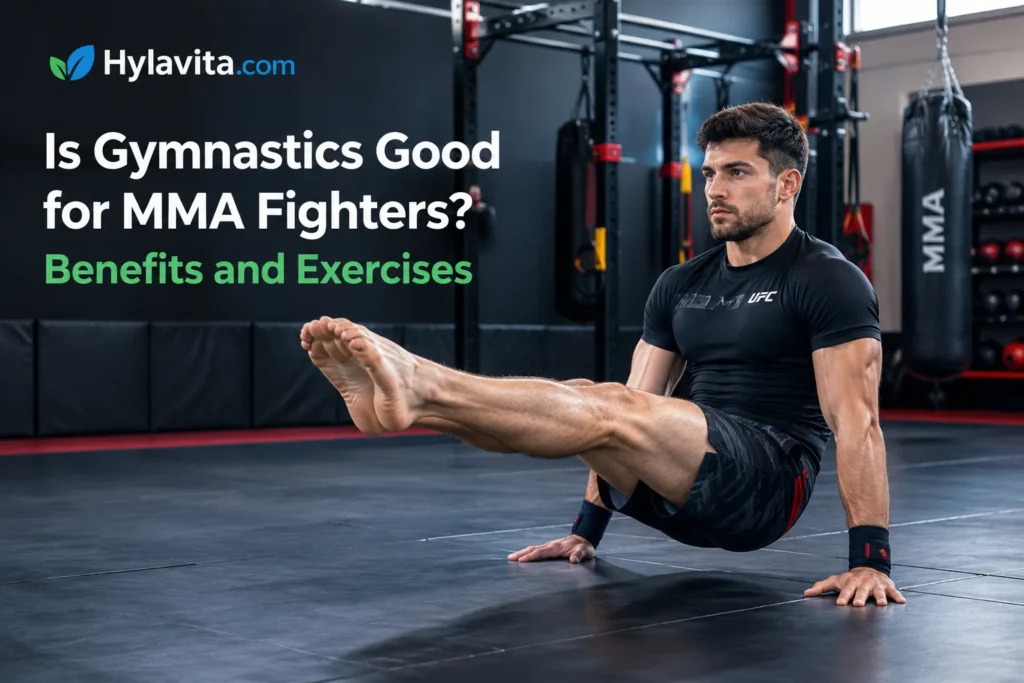
Many gymnastics exercises use body weight to challenge muscles. Pull-ups, hollow holds, and L-sits train the upper body and core. These movements also teach athletes to control their bodies. Better body control can help fighters maintain stable positions during training. However, fighters still need specific strength exercises for MMA.
Builds Balance and Coordination
Gymnastics challenges athletes to control their bodies in different positions. Balance drills and controlled movements can improve coordination with practice. These skills may help MMA fighters adjust their stance and body position. Good balance also supports controlled movement during striking and grappling. Fighters must still practice these skills during actual MMA drills.
Increases Flexibility and Mobility
Gymnastics includes movements that develop flexibility and joint mobility. Controlled stretches can help fighters move through comfortable ranges of motion. Better mobility may support kicking, level changes, and ground transitions. However, flexibility varies between individuals and requires regular practice. Fighters should avoid forcing stretches or pushing joints beyond comfortable limits.
Supports Grappling and Ground Movement
Gymnastics can help fighters develop core strength and whole-body coordination. Forward rolls, shoulder rolls, and controlled floor movements teach body awareness. These skills may support smoother movement during ground drills. Core exercises can also help fighters maintain controlled positions while grappling. However, gymnastics does not teach submission holds, escapes, or wrestling techniques. Fighters need regular grappling practice to develop those skills.
H2: Best Gymnastics Exercises for MMA Fighters — 350 words
- H3: Handstands and Wall Handstands — 60 words
- H3: Cartwheels and Controlled Rolls — 60 words
- H3: Pull-Ups and Hanging Exercises — 60 words
- H3: L-Sits and Hollow Body Holds — 60 words
- H3: Forward Rolls and Shoulder Rolls — 50 words
- H3: Ring Rows and Support Holds — 60 words
How to Add Gymnastics to MMA Training
Start with simple gymnastics exercises that match your current fitness level. Add them to your routine without replacing regular MMA practice. Begin with basic movements, such as hollow holds, assisted pull-ups, and controlled rolls. Focus on proper technique instead of speed or difficulty.
Try gymnastics exercises two times per week at first. Keep sessions short, especially when you already have demanding MMA workouts. You can practice them during warm-ups or separate strength and conditioning sessions. Choose your timing based on fatigue and your overall training schedule.
Keep your gymnastics sessions light enough to maintain good technique. Increase repetitions or difficulty gradually as your strength improves. Avoid advanced flips and unsupported handstands without proper coaching. Allow enough recovery between demanding sessions. If an exercise causes sharp pain, stop and seek appropriate guidance. A qualified coach can help you choose suitable exercises and fit them into your MMA schedule.
Beginner Gymnastics Training Plan for MMA
Beginners should focus on basic movements before attempting advanced gymnastics skills. Start with two short sessions each week alongside your regular MMA training. Warm up your wrists, shoulders, hips, and ankles before exercising.
Try this simple beginner routine:
- Hollow body hold: Perform 2 sets of 15–20 seconds.
- Assisted pull-ups: Complete 2 sets of 5–8 repetitions.
- Bodyweight squats: Perform 2 sets of 10 repetitions.
- Plank: Hold for 20–30 seconds, repeating twice.
- Controlled forward rolls: Practice 3–5 repetitions on a padded surface with proper instruction.
Rest between sets and maintain good form throughout each exercise. Adjust repetitions to match your current strength and fitness level.
Practice on nonconsecutive days to allow time for recovery. Increase difficulty gradually as your technique and strength improve. Avoid advanced flips or unsupported handstands without qualified coaching. Keep gymnastics training manageable alongside MMA practice.
Common Mistakes to Avoid
MMA fighters should avoid common mistakes when adding gymnastics to their training routines.
Practicing without guidance: Learn difficult skills from a qualified coach using suitable mats and equipment.
- Trying advanced skills too soon: Master basic movements before attempting flips or difficult handstands.
- Skipping warm-ups: Prepare your muscles and joints before starting your workout.
- Ignoring proper technique: Focus on controlled movements instead of speed or repetitions.
- Training through pain: Stop exercising if you experience sharp pain or unusual discomfort.
- Overtraining: Balance gymnastics with MMA practice and allow enough time for recovery.
Is Gymnastics Enough for MMA Training?
No, gymnastics alone cannot prepare someone for an MMA fight. It develops physical skills, but fighters also need combat-specific training. They must practice boxing, kickboxing, wrestling, and Brazilian jiu-jitsu. These disciplines teach striking, takedowns, submissions, and defensive techniques. Fighters also need conditioning to handle repeated bursts of intense activity.
Gymnastics works best as a supporting part of an MMA training plan. It can improve body control, balance, flexibility, and strength. Combine it with regular MMA practice under a qualified coach. This balanced approach helps fighters develop athletic ability and actual fighting skills.
Frequently Asked Questions
Can gymnastics improve MMA grappling?
Yes, gymnastics can improve body control, balance, and core strength. These skills may support ground movement and grappling practice. However, fighters still need wrestling and Brazilian jiu-jitsu training.
Is gymnastics useful for beginner MMA fighters?
Yes, beginners can use simple gymnastics exercises to build strength and coordination. Start with basic movements and focus on proper technique. Avoid advanced skills without qualified coaching.
How often should MMA fighters practice gymnastics?
Beginners can start with two short sessions each week. Adjust the frequency based on recovery, fitness, and MMA training demands. Rest when needed to avoid excessive fatigue.
Does gymnastics help prevent injuries?
Gymnastics may improve strength, balance, and body control. However, it cannot guarantee injury prevention. Use proper technique, suitable equipment, and qualified coaching. Well-designed injury prevention exercises may also help reduce sports injury risks.
Conclusion
Gymnastics for MMA can help fighters improve strength, balance, flexibility, and body control. Simple exercises can support better movement during striking and grappling practice. Start with basic skills and progress slowly with proper guidance. Remember, gymnastics cannot replace MMA training. Combine both approaches to build athletic ability and develop essential fighting skills safely.
Hylavita’s suggestion to read
- Best Gym Equipment to Use for Abs: A Beginner’s Guide
- Best Upper Body Workout Routine for Beginners at Home
- Biking Quads: Benefits, Muscles Worked, and How to Do It Right
Disclaimer: This article is for informational and educational purposes only. Gymnastics and MMA exercises may carry risks of injury if performed incorrectly. Always consult a qualified coach before trying new exercises or advanced skills. Stop exercising if you experience pain or discomfort, and seek medical advice when necessary.