
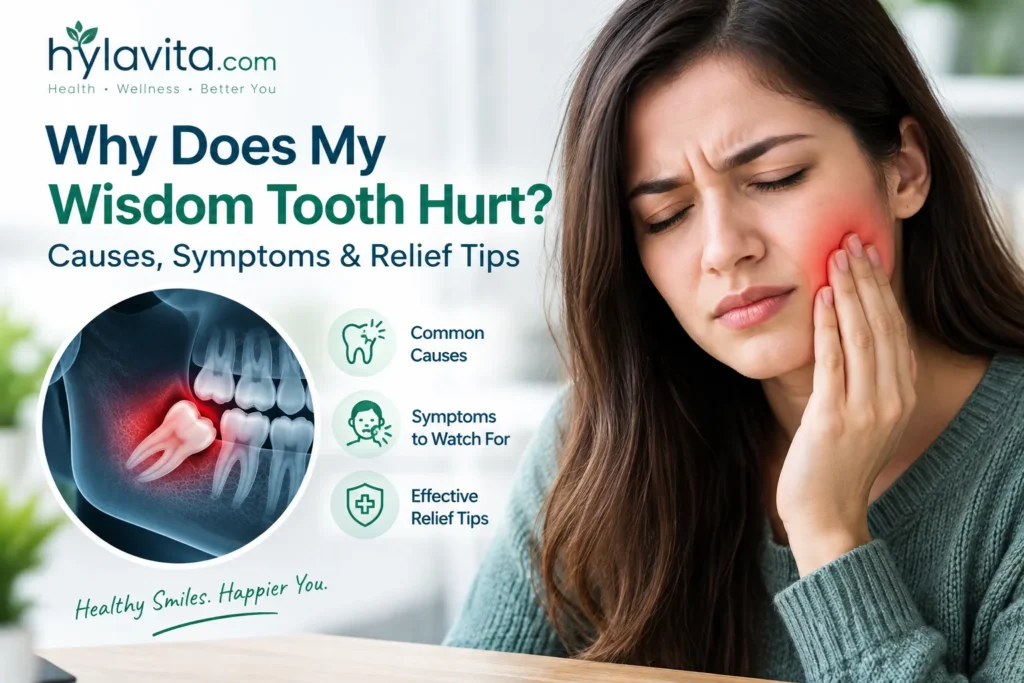
That throbbing ache in the back of your mouth is hard to ignore. One bite of food, and suddenly your whole jaw feels like it’s on fire.If you’re dealing with wisdom molar pain, you’re not alone. Most people feel this at some point in their late teens or twenties, when their wisdom teeth try to push through the gums. The good news? Once you understand why it happens, you can manage it better and know when it’s time to see a dentist.
In this article, we’ll walk through the common causes, the symptoms to watch for, practical tips to ease the pain at home, and what to weigh if your dentist recommends removal.
This article is written for general educational purposes. It draws on guidance from the American Dental Association and the Mayo Clinic, and has been reviewed by a licensed dental professional. It isn’t a substitute for an in-person exam.
What Are Wisdom Teeth, Anyway?
Wisdom teeth are the third and final set of molars. They usually show up between ages 17 and 25 — the American Dental Association notes most people see them erupt between 17 and 21, which is later than any other tooth.
Most people have four of them, one in each corner of the mouth. However, some people never grow all four, and a few don’t grow any at all.
The tricky part is that by the time wisdom teeth arrive, your jaw is often already full. There’s simply not enough room for them to grow in properly. This is where most of the trouble starts.
Why Does My Wisdom Tooth Hurt? Common Causes
Wisdom tooth pain can come from several different problems. Let’s break down the most common ones.
Impacted Wisdom Teeth
An impacted tooth is one that’s stuck. It can’t fully break through the gum because there’s no space for it.
Sometimes it grows sideways, pressing into the tooth next to it. Other times, it only partly breaks through the surface. Either way, this pressure and friction cause pain, swelling, and soreness in the jaw.
Infection or Gum Disease (Pericoronitis)
When a wisdom tooth is only partly out, a flap of gum tissue can cover part of it. Food and bacteria easily get trapped under that flap.
This leads to a condition called pericoronitis, an infection of the gum tissue around the tooth. It’s one of the most common reasons wisdom molar pain suddenly becomes urgent.
Tooth Decay or Cavities
Wisdom teeth sit at the very back of the mouth, which makes them hard to clean properly. Your toothbrush just can’t reach every angle.
As a result, food particles and plaque build up more easily. Over time, this leads to cavities, which cause a deep, aching pain, especially when eating something sweet or cold.
Crowding and Pressure on Nearby Teeth
Even if a wisdom tooth isn’t infected, it can still push against the molar next to it. This constant pressure can shift your other teeth out of alignment.
For example, some people notice their front teeth becoming slightly crooked years after their wisdom teeth come in. That pressure often starts as a dull ache before anything looks different.
Cysts or Jaw Problems
In rare cases, a fluid-filled sac called a cyst can form around an impacted wisdom tooth. According to Mayo Clinic, if left untreated this can damage the jawbone or nearby teeth roots.
This isn’t common, but it’s one reason dentists recommend getting wisdom teeth checked with an X-ray, even if they aren’t causing pain yet.
Symptoms of Wisdom Tooth Pain
Not all wisdom toothache feels the same. Here’s what to look out for.
Mild to Moderate Symptoms
- A dull, throbbing ache in the back of the jaw
- Slight swelling of the gums
- Discomfort when chewing
- Mild jaw stiffness, especially in the morning
Signs of a More Serious Problem
- Sharp, intense pain that doesn’t go away with painkillers
- Swelling that spreads to the cheek or jaw
- Bad breath or an unpleasant taste (a sign of infection)
- Difficulty opening your mouth fully
- Fever, along with jaw pain
If you notice the second list, it’s best to see a dentist soon rather than waiting it out.
Wisdom Molar Pain Relief: What You Can Do at Home
While you wait for a dental appointment, there are simple ways to ease the discomfort. These aren’t cures, but they can make daily life more bearable.
Rinse With Warm Salt Water
This is one of the oldest tricks, and it still works. Mix half a teaspoon of salt in a cup of warm water and swish it gently around the sore area.
Salt water helps reduce bacteria and calms swollen gum tissue. Do this two to three times a day.
Use a Cold Compress
Holding an ice pack against your cheek, near the painful tooth, can numb the area and reduce swelling. Keep it on for about 15 minutes at a time.
Wrap the ice in a cloth first. Placing ice directly on skin can cause irritation.
Try Over-the-Counter Pain Relief
Common pain relievers like ibuprofen or acetaminophen can help manage wisdom tooth pain in the short term. Always follow the dosage instructions on the label.
If you have any health conditions or take other medications, check with a pharmacist first.
Clove Oil for Natural Relief
Clove oil has been used for tooth pain for generations, and there’s a reason for that. It contains a natural compound that has mild numbing properties.
Dab a small amount on a cotton ball and gently apply it to the sore area. Avoid swallowing it, and don’t use too much, as it can irritate the gums if overused.
Keep the Area Clean
Gently brush around the sore tooth, even if it hurts a little. Skipping this spot only lets more bacteria build up, which can make the pain worse.
An interdental brush or a water flosser can help clean spaces a regular toothbrush might miss.
Avoid Certain Foods
Steer clear of hard, crunchy, or very hot and cold foods while your tooth is sore. Think of it like avoiding running on a sprained ankle — you’re just giving it a chance to calm down.
Soft foods like soup, mashed potatoes, and yogurt are easier on a painful jaw.
When Should You See a Dentist?
Home remedies can only do so much. You should book a dental visit if:
- The pain lasts more than a couple of days
- You notice swelling in your face or jaw
- You have trouble swallowing or opening your mouth
- There’s pus or a bad taste near the tooth
- You develop a fever alongside the tooth pain
A dentist can take an X-ray to see exactly what’s happening below the gum line. In many cases, they may recommend removing the wisdom tooth, especially if it’s impacted or repeatedly getting infected.
Should You Remove It? Advantages and Disadvantages of Wisdom Tooth Extraction
This is one of the most common questions dentists hear, and the honest answer is: it depends. Even dental specialists disagree on whether symptom-free (“asymptomatic”) wisdom teeth should always come out. Here’s a balanced look at both sides, based on guidance from Mayo Clinic.
| Advantages of Removal | Disadvantages of Removal |
|---|---|
| Eliminates the source of impaction pain, infection, or pressure | It’s a surgical procedure with recovery time (typically several days to a week) |
| Reduces risk of future cavities, gum disease, and cysts in that spot | Possible complications: dry socket, bleeding, infection, or (rarely) nerve, jaw, or sinus damage |
| Prevents crowding or damage to the neighboring molar | Recovery is usually easier in your late teens/early 20s — waiting can make removal harder later in life |
| Can simplify orthodontic treatment (braces) | Cost and time off work or school for surgery and healing |
| Removes teeth that are hard to clean and prone to repeat infection | If the tooth is healthy, fully erupted, and cleanable, some dentists see no need to remove it |
The takeaway: Removal is usually recommended when a wisdom tooth is causing pain, infection, decay, or damage to nearby teeth. For wisdom teeth that are healthy, fully in place, and not causing problems, a “watch and wait” approach with regular checkups can be reasonable — this is a conversation to have directly with your dentist, since it depends on your X-rays, tooth position, and history.
How to Prevent Wisdom Tooth Pain in the Future
You can’t stop wisdom teeth from growing, but you can lower your risk of pain.
- Visit your dentist regularly, even if nothing hurts yet
- Ask about X-rays to track how your wisdom teeth are developing
- Brush and floss the back of your mouth carefully
- Use an antiseptic mouthwash if you’re prone to gum irritation
Catching a problem early often means a simpler fix later.
FAQs About Wisdom Molar Pain
Why does wisdom tooth pain come and go? Pain often comes and goes because the tooth is still shifting or partly erupting. Some days there’s more pressure or swelling than others, which changes how much it hurts.
Can wisdom tooth pain go away on its own? Mild irritation sometimes settles down for a while, especially once the tooth finishes coming in. However, if there’s an infection or the tooth is impacted, the pain usually returns and can get worse over time.
How long does wisdom tooth pain usually last? It depends on the cause. Mild eruption pain may last a few days, while pain from infection or impaction can continue until it’s treated by a dentist.
Is it normal for wisdom tooth pain to spread to the ear or head? Yes, this is fairly common. The nerves in your jaw are close to those in your ear and head, so pain can radiate outward and feel like an earache or headache.
Do I need to remove my wisdom tooth if it hurts? Not always. Some wisdom teeth can be managed with good cleaning and regular checkups. However, if the tooth is impacted, infected repeatedly, or damaging nearby teeth, removal is often the best long-term solution.
Related Reading on Hylavita
- Bump on Gums: 10 Common Causes You Should Know
- How to Prevent Gum Recession? 10 Simple Tips for Healthy Gums
- Cosmetic Dental Bonding: Cost, Benefits, and How Long It Lasts
Conclusion
Wisdom molar pain is common, but that doesn’t mean you have to just live with it. Whether it’s caused by an impacted tooth, an infection, or simple crowding, understanding the reason behind the pain is the first step toward relief.
Try the home remedies above for short-term comfort, but don’t ignore pain that keeps coming back or gets worse. A quick visit to your dentist can save you from bigger problems down the road, and help you finally get some relief.
If your wisdom tooth pain has lasted more than a few days, consider scheduling a dental checkup soon. It’s always better to catch a small issue before it becomes a big one.
Medical Disclaimer: This article is for informational and educational purposes only and is not a substitute for professional dental or medical advice, diagnosis, or treatment.