
What Is Citric Pomelo?
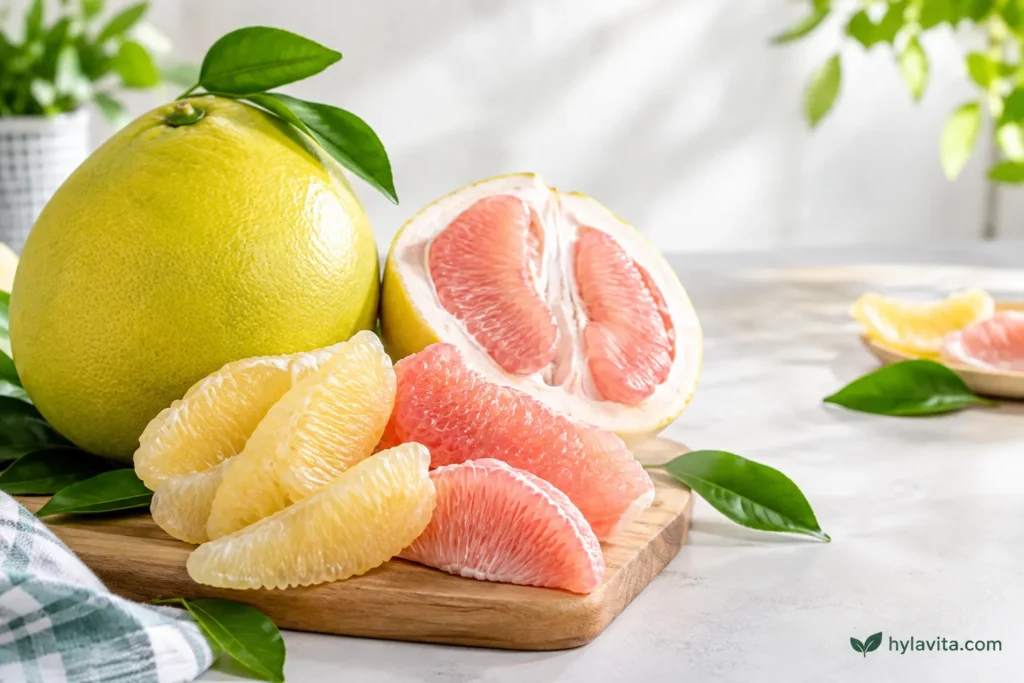
Citric pomelo is just another name for the pomelo fruit. It’s a big citrus fruit with a thick, soft peel. Inside, you’ll find large, juicy segments. The taste is mostly sweet, with a light tangy kick. That’s where the “citric” part comes from.
Pomelo is actually the largest citrus fruit in the world. Some can grow bigger than a grapefruit, even bigger than a small melon. Its skin is thick, so it’s easy to peel by hand.
Origin and Where It Grows
Pomelo comes from Southeast Asia. It has grown there for thousands of years. Countries like Thailand, China, and Malaysia grow it the most. Today, farmers also grow it in India, the Caribbean, and parts of the U.S., like Florida and California. It loves warm, tropical weather. That’s why it grows best near the equator.
How It Differs from Grapefruit and Other Citrus
People often mix up pomelo and grapefruit. But they’re not the same fruit. In fact, grapefruit came from pomelo. Long ago, pomelo crossed with a sweet orange. That mix created the grapefruit we know today.
Pomelo is bigger and has a thicker peel than grapefruit. Its taste is milder and less bitter too. Grapefruit has that sharp, sour bite. Pomelo skips most of that sourness. It’s closer to sweet, with just a hint of tang.
The inside color is different too. Grapefruit is usually pink or red. Pomelo can be pale yellow, pink, or even light red inside. And pomelo has fewer seeds, so it’s easier to eat.
Citric Pomelo Nutrition Facts
Calories, Vitamins & Minerals (per 100g)
A 100-gram serving of pomelo has just 38 calories. That makes it a light, low-calorie fruit. It’s also fat-free, with 0 grams of total fat.
You’ll get about 10 grams of carbs in that same serving, with 1 gram coming from fiber. Fiber helps you feel full longer. It also keeps your digestion running smoothly.
Pomelo also gives you 1 gram of protein. That’s not a lot, but every bit counts. Potassium sits at around 220 mg per 100 grams. This mineral helps control your blood pressure. It also keeps your muscles and nerves working right.
Vitamin C and Antioxidant Content
Pomelo really shines with vitamin C. You get 61 mg of vitamin C in every 100 grams. That covers 68% of your daily vitamin C needs in just one serving.
Vitamin C does a lot for your body. It helps your immune system fight off germs. It also helps your skin stay healthy and heal faster.
On top of vitamin C, pomelo has other good compounds too. It contains plant antioxidants that help protect your cells. These fight off damage caused by daily stress on your body. Eating pomelo often can be a simple way to add more of these nutrients to your diet.
What Does Citric Pomelo Taste Like?
Pomelo tastes mostly sweet, with a light tangy edge. It’s much milder than grapefruit. There’s no sharp bitterness to fight through.
The texture is firm and juicy at the same time. Each bite feels crisp, almost like a crunchy orange. The juice sacs pop gently as you chew.
Some pomelos lean sweeter. Others have a bit more tang. This depends on the variety and how ripe it is. A ripe pomelo will taste sweeter and less sour.
The color inside can hint at the taste too. Pink or red pomelos tend to taste sweeter. Pale yellow or white ones can taste a bit more tart.
Overall, think of it as a gentle citrus flavor. It’s sweet first, with just enough tang to keep things interesting.
Health Benefits of Citric Pomelo
Supports Immune Function
Pomelo is packed with vitamin C. This vitamin helps your body fight off colds and infections. It supports your white blood cells too. These cells are your body’s main defense team. Eating pomelo often can give your immune system a steady boost.
May Support Heart Health
Pomelo contains potassium, a mineral good for your heart. Potassium helps balance sodium levels in your body. This can help keep blood pressure in a healthy range. Pomelo also has plant compounds called flavonoids. Some studies link flavonoids to better heart health. More research is still needed to confirm all the effects.
Aids Digestion
Pomelo has fiber, which helps keep your gut moving. Fiber adds bulk to your stool. This makes it easier to pass and prevents constipation. A healthy gut also helps your body absorb nutrients better. Drinking enough water alongside fiber makes this work even better.
Antioxidant and Anti-Inflammatory Properties
Pomelo contains antioxidants like vitamin C and flavonoids. Antioxidants help protect your cells from daily damage. This damage comes from things like pollution and stress. Over time, that damage can lead to health problems. Eating antioxidant-rich foods like pomelo may help lower that risk.
May Support Weight Management
Pomelo is low in calories but high in fiber. Fiber helps you feel full for longer. This can help you eat less throughout the day. It’s also mostly water, which adds volume without added calories. Adding pomelo to your diet can be a smart, light snack choice.
How to Pick and Store a Ripe Pomelo
Picking a good pomelo is easier than you think. Start by picking it up. A ripe pomelo feels heavy for its size. That weight means it’s full of juice.
Next, check the skin. Look for skin that’s smooth and firm. Avoid ones with soft spots or deep bruises. A few small marks are fine, though. Those won’t affect the taste inside.
Give it a gentle squeeze too. It should feel firm, not too hard or too soft. A very hard peel can mean it’s not ripe yet.
Smell the fruit near the stem end. A ripe pomelo often has a light, sweet citrus scent. No smell at all usually means it needs more time.
Once you’re home, storage is simple. Keep whole pomelos at room temperature for up to a week. If you want them to last longer, put them in the fridge. Whole pomelos can stay fresh in the fridge for up to two weeks.
Once you cut into one, things change. Store the peeled segments in an airtight container. Keep them in the fridge and eat them within three to four days. This keeps the fruit fresh and prevents it from drying out.
H2: How to Cut and Eat Citric Pomelo
Culinary Uses of Citric Pomelo
Salads and Fresh Dishes
Pomelo works great in fresh salads. Its sweet-tangy taste pairs well with greens. Try mixing it with spinach, avocado, and nuts. It also fits well in Asian-style salads. Add shrimp, mint, and a light dressing for a fresh twist. The crisp texture adds a nice crunch to every bite.
Juices, Marinades, and Dressings
Fresh pomelo juice makes a light, refreshing drink. Just squeeze the segments and strain out the pulp. You can drink it plain or mix it with other fruits.
Pomelo juice also works well in marinades. Its acidity helps tenderize meat and seafood. Try it with grilled chicken or fish for a citrus kick.
For dressings, mix pomelo juice with olive oil and a little honey. This makes a simple, tangy dressing for salads or bowls.
Cooking and Baking Ideas
Pomelo isn’t just for raw dishes. You can cook with it too. Add pomelo segments to stir-fries near the end of cooking. This keeps the fruit fresh and juicy.
In baking, pomelo zest adds a bright citrus flavor. Sprinkle it into cakes, muffins, or bread dough. You can also candy the peel for a sweet treat. Simmer it in sugar syrup until soft and glossy.
Precautions and Possible Side Effects
Pomelo is safe for most people to eat. But a few things are worth knowing before you dig in.
Eating too much pomelo can upset your stomach. Its high fiber content may cause bloating or gas. This is more likely if you eat a lot at once.
Some people are allergic to citrus fruits. If you have a citrus allergy, pomelo may cause itching or swelling. Stop eating it and see a doctor if this happens.
People with kidney issues should also be careful. Pomelo is high in potassium. Too much potassium can be hard on weak kidneys. Talk to your doctor if you have kidney problems.
Interactions with Medications
Pomelo can interact with certain medicines. It’s closely related to grapefruit, so it shares a similar effect. It can block an enzyme in your gut that breaks down some drugs. This can cause too much of the drug to build up in your body.
This mainly affects drugs like statins for cholesterol, some blood pressure pills, and certain heart medicines. It may also affect some immune-suppressing drugs.
If you take any prescription medicine, ask your doctor first. Check if pomelo is safe to eat alongside it. This simple step can help you avoid any unwanted side effects.
Citric Pomelo vs Grapefruit Quick Comparison
| Feature | Pomelo | Grapefruit |
|---|---|---|
| Size | Largest citrus fruit, quite big | Smaller than pomelo |
| Taste | Mostly sweet, light tang | More sour and bitter |
| Peel | Thick, soft, easy to peel by hand | Thin, harder to peel |
| Flesh color | Pale yellow, pink, or light red | Usually pink or red |
| Seeds | Fewer seeds | More seeds, varies by type |
| Origin | Older fruit, native to Southeast Asia | Came from a mix of pomelo and sweet orange |
| Vitamin C | Slightly higher per serving | Also a good source, slightly lower |
| Medication interaction | Can affect certain drugs | Well-known for drug interactions |
Pomelo is bigger, sweeter, and easier to peel. Grapefruit is smaller, more tart, and sharper in taste.
Frequently Asked Questions (FAQs)
Is citric pomelo the same as regular pomelo?
Yes. Citric pomelo is just another name for pomelo. It’s not a separate fruit or variety.
Can I eat pomelo every day?
Yes, most people can eat it daily. Just watch your portion if you’re on certain medications.
Is pomelo good for weight loss?
Yes, it can help. It’s low in calories and high in fiber. This helps you feel full longer.
Does pomelo interact with medications?
Yes, similar to grapefruit. It can affect certain heart and cholesterol drugs. Always check with your doctor first.
How do I know if a pomelo is ripe?
Look for a heavy fruit with smooth skin. A light, sweet smell near the stem is a good sign.
Can I eat the pomelo peel?
Not raw. The peel is thick and bitter. You can candy it or use it in cooking instead.
Is pomelo safe during pregnancy?
Yes, in normal amounts. It’s a good source of vitamin C. Talk to your doctor if you have any concerns.
How long does pomelo last after cutting?
Store cut pomelo in an airtight container. Keep it in the fridge and eat within three to four days.
Is pomelo good for diabetics?
Yes, in moderation. It has a low glycemic index and good fiber content. Always check with your doctor first.
Final Thoughts
Citric pomelo is just a tasty, healthy citrus fruit. It’s sweet, juicy, and easy to enjoy.
It’s low in calories but packed with vitamin C. That makes it a smart choice for your daily diet. It also supports your heart, gut, and immune system.
Adding it to your meals is simple too. Try it in salads, juices, or as a fresh snack. Just remember to check with your doctor if you’re on medication.
Overall, pomelo is a fruit worth trying. It’s refreshing, nutritious, and easy to enjoy any time.
Hylavita’s sigestion to read
- What Is Farro? Nutrition, Benefits, Types & How to Eat It
- What Is Caquis Fruit? Benefits, Nutrition, Taste & Uses
- What Happens to Your Body When You Cut Sugar for 30 Days?
Disclaimer: This article is for general information only. It’s not meant to replace medical advice. Always talk to your doctor before making changes to your diet, especially if you take medication or have a health condition. Individual results and reactions to food can vary from person to person.