
Introduction
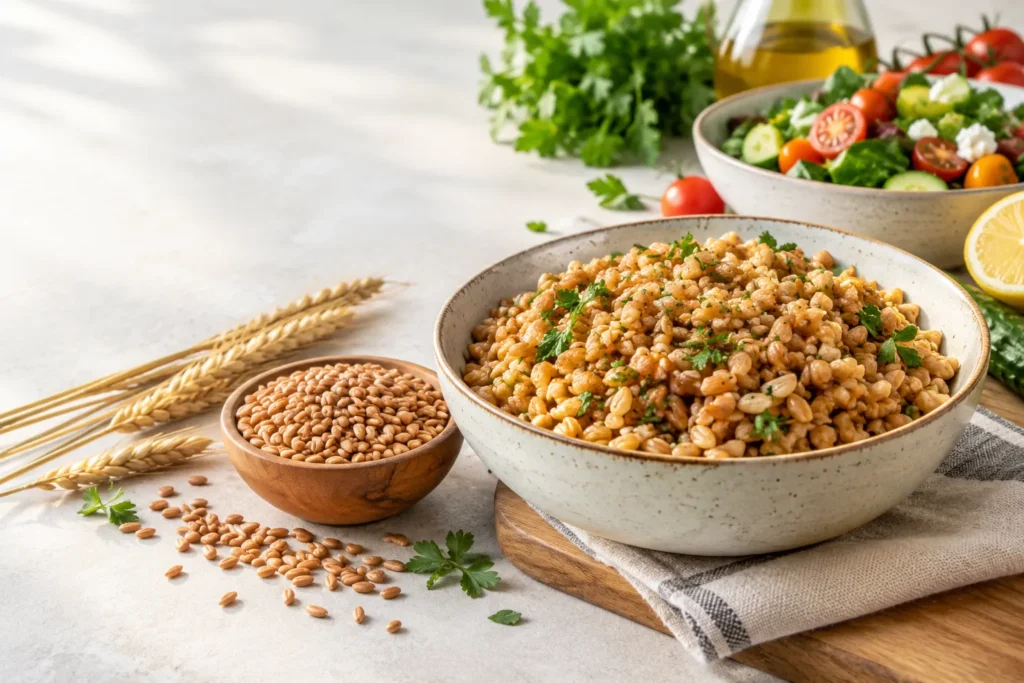
Farro is an ancient nutrition grain that’s been eaten for thousands of years. It looks a bit like brown rice, but chewier. People love it for its nutty taste and hearty texture.
It’s also packed with fiber and protein. That makes it a filling choice for meals. You’ll find it in salads, soups, and side dishes.
Let’s break down what farro actually is, and how you can start eating it.
What Is Farro?
Where Farro Comes From
Farro is a type of wheat, not a separate grain. It comes from ancient wheat species. People in the Mediterranean and Middle East grew it long ago. It’s still popular in Italian cooking today. The term “farro” often refers to emmer wheat. But it can also mean einkorn or spelt, depending on the region.
Farro vs. Other Ancient Grains
Farro is often grouped with grains like quinoa and spelt. But it’s not the same as those. Quinoa is a seed, not a grain from wheat. Spelt is a close cousin, and sometimes sold as farro too. Farro has a chewier bite than most other ancient grains. That’s part of why people enjoy cooking with it.
Types of Farro
Whole Farro
Whole farro keeps its outer bran layer intact. This makes it the most nutritious option. It has the most fiber and takes the longest to cook. You’ll usually need to soak it overnight first.
Semi-Pearled Farro
Semi-pearled farro has part of the bran removed. It cooks faster than whole farro. You still get a good amount of fiber. This is the most common type found in stores.
Pearled Farro
Pearled farro has most or all of the bran removed. It cooks the fastest of the three types. But it has less fiber than the other options. This type doesn’t need soaking before cooking.
Farro Nutrition Facts
Calories and Macronutrients
A quarter cup of dry farro has about 150-170 calories. That serving also has around 6 grams of protein. Carbs make up most of it, at about 30-34 grams. It has roughly 3 grams of fiber in that same amount. Fat content is very low, often under 1 gram.
Vitamins and Minerals
Farro contains niacin, which is a type of B vitamin. It also has magnesium and zinc. These help with energy and muscle function. Iron is present too, supporting healthy blood. Farro also has a small amount of potassium.
Health Benefits of Farro
High in Fiber
Farro has a good amount of fiber per serving. Fiber helps you feel full longer after eating. It also supports steady energy instead of quick sugar spikes. Most people don’t get enough fiber daily. Farro is an easy way to add more.
Good Source of Plant-Based Protein
Farro gives you about 6 grams of protein per serving. That’s solid for a grain-based food. It works well for vegetarians building meals around plants. Pairing it with beans makes the protein even more complete.
May Support Heart Health
Whole grains like farro may help support heart health. The fiber in farro can help manage cholesterol levels. Magnesium in farro also supports healthy blood pressure. Eating whole grains regularly is linked to better heart outcomes.
Helps With Digestion
The fiber in farro supports regular digestion. It helps food move smoothly through your gut. This can reduce issues like constipation. A happy gut often means better overall digestion.
Farro vs. Other Grains
Quinoa
| Feature | Farro | Quinoa |
|---|---|---|
| Type | Wheat grain | Seed |
| Gluten-free | No | Yes |
| Complete protein | No | Yes (all 9 amino acids) |
| Fiber | Higher | Lower |
| Texture | Chewy | Fluffy |
Rice
| Feature | Farro | Rice (White) |
|---|---|---|
| Fiber | Higher | Lower |
| Protein | Higher | Lower |
| Gluten-free | No | Yes |
| Texture | Chewy | Soft |
| Cook time | Longer | Shorter |
Wheat Berries
| Feature | Farro | Wheat Berries |
|---|---|---|
| Grain type | Specific ancient wheat | Whole raw wheat kernel |
| Taste | Nutty, mild | Similar, slightly earthier |
| Cook time | Faster | Longer |
| Fiber | High | High |
| Gluten-free | No | No |
How to Cook Farro
Stovetop Method
Rinse the farro first under cold water. Add it to a pot with water. Use about 2.5 cups of water per cup of farro. Bring the water to a boil. Lower the heat and let it simmer. Cook uncovered until the farro turns tender. Drain any extra water when it’s done. Fluff it with a fork before serving.
Cooking Time by Type
Whole farro takes the longest, about 40 minutes. Soaking it overnight can speed this up. Semi-pearled farro cooks in about 25 to 30 minutes. Pearled farro is the fastest, around 15 to 20 minutes. Always check the package for exact times.
How to Eat Farro
Farro Salads
Cooked farro adds great texture to salads. Toss it with veggies, herbs, and a light dressing. It holds up well, even after sitting a while. Try it with tomatoes, cucumber, and feta cheese.
Farro Soups and Stews
Farro works great in hearty soups and stews. It adds body and makes meals more filling. Add it near the end so it doesn’t get mushy. It pairs well with vegetables, beans, and broth.
Farro as a Rice Substitute
Farro can replace rice in most recipes. Use it in bowls, stir-fries, or as a side dish. It has more fiber and a chewier bite than rice. Just swap it in at a similar ratio.
Who Should Be Careful With Farro?
Gluten Content Warning
Farro is a type of wheat, so it contains gluten. People with celiac disease should avoid it completely. Anyone with a gluten sensitivity should also stay away. Farro is not a safe choice for gluten-free diets. If you’re unsure, talk to a doctor before eating it.
Final Verdict
Farro is a tasty, nutritious grain worth adding to your meals. It’s high in fiber and gives you a good protein boost. It works well in salads, soups, and as a rice swap.Just remember, it contains gluten. Skip it if you have celiac disease or gluten sensitivity. Otherwise, farro is an easy, healthy choice for most people.
FAQs
Is Farro Healthier Than Rice?
Farro has more fiber and protein than white rice. It’s a good pick if you want extra nutrients. But brown rice is closer to farro in nutrition.
Is Farro Gluten-Free?
No, farro contains gluten because it’s a wheat grain. Avoid it if you have celiac disease or gluten sensitivity. Look for gluten-free grains like quinoa or rice instead.
How Long Does Farro Take to Cook?
It depends on the type you use. Whole farro takes about 40 minutes to cook. Pearled farro cooks faster, around 15 to 20 minutes.
Can You Eat Farro Every Day?
Yes, farro is safe to eat daily for most people. It’s a healthy whole grain with fiber and protein. Just make sure to balance it with other foods too.
Hylavita’s sugestion to read
- What Is Red Cheese? Nutrition, Benefits, Taste & Uses
- 10 Surprising Health Benefits of Celery You Need to Know
- Mediterranean Diet vs. Intermittent Fasting: Which Is Right for You?
Other readings
DisclaimerThis article is for informational purposes only and isn’t medical advice. Nutrition facts can vary by brand and preparation method. Always check product labels for exact values. Consult a doctor or dietitian before making major diet changes, especially if you have celiac disease or gluten sensitivity.