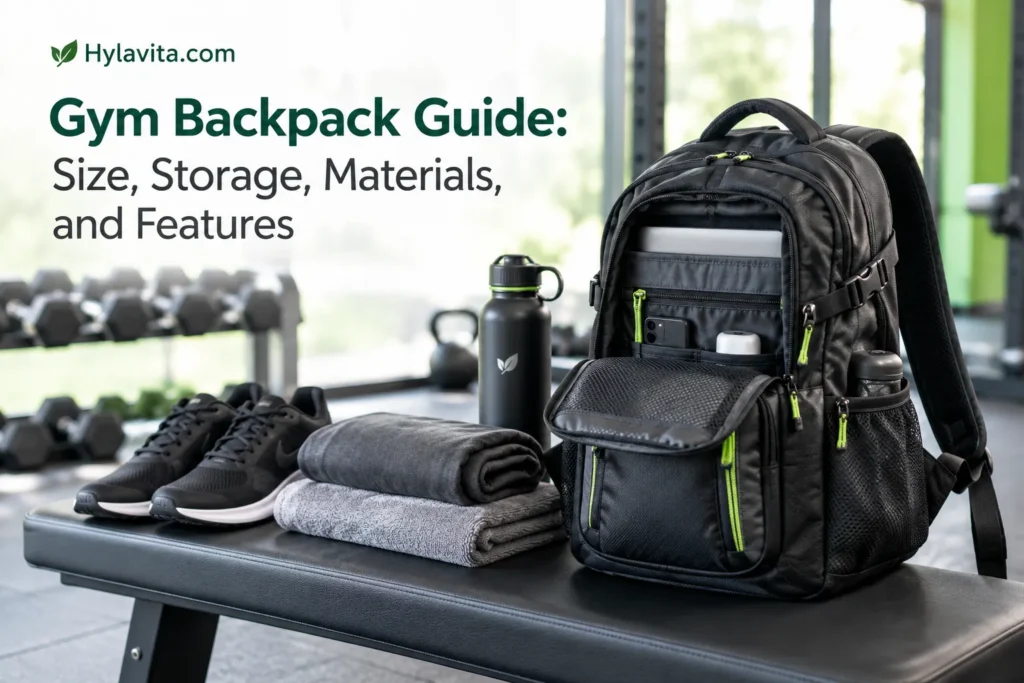
A gym backpack helps you carry your workout essentials in one convenient place. It keeps your clothes, shoes, water bottle, and personal items organized. However, choosing the right backpack can feel confusing because many options exist. Some bags offer extra storage, while others focus on comfort and durability. The best gym backpack depends on your workout routine and daily needs. In this guide, you will learn about backpack sizes, storage compartments, materials, and useful features.
What Is a Gym Backpack?
A gym backpack is a bag designed to carry your workout essentials. It usually has shoulder straps, storage compartments, and convenient pockets. You can use it to carry gym clothes, shoes, towels, and water bottles. Some backpacks also include separate compartments for wet clothes or dirty shoes.
Many designs offer padded straps for comfortable carrying. Others provide water-resistant materials to help protect your belongings from light moisture. Gym backpacks come in different sizes, styles, and materials. You can choose one based on your workout routine, storage needs, and daily activities.
How to Choose the Right Gym Backpack Size
The right gym backpack size depends on what you carry each day. Consider your workout routine, clothing, shoes, and other personal items. Use this table to compare common backpack sizes.
| Backpack Size | Typical Capacity | Best For | What It Can Hold |
|---|---|---|---|
| Small Gym Backpacks | 10–20 liters | Short workouts and light packing | Towel, water bottle, gym clothes, and small essentials |
| Medium Gym Backpacks | 20–30 liters | Regular gym sessions | Clothes, shoes, towel, water bottle, and toiletries |
| Large Gym Backpacks | 30–40+ liters | Long workouts or multiple activities | Extra clothes, shoes, toiletries, and additional gear |
Small Gym Backpacks
Small backpacks work well if you carry only a few essentials. They suit short workouts and people who prefer lightweight bags.
Medium Gym Backpacks
Medium backpacks offer a good balance between space and portability. They suit most gym-goers who carry clothes, shoes, and daily essentials.
Large Gym Backpacks
Large backpacks provide extra room for bulky items and multiple outfits. They work well for long training sessions or gym visits before work.
Tip: Capacity ranges vary by brand. Check the backpack’s dimensions and compartments before buying.
Essential Storage Compartments and Features
A good gym backpack keeps your workout items organized and easy to reach. Look for compartments that match your daily needs. The right storage design can also help separate clean items from used gear.
Shoe and Wet Clothes Compartments
Some gym backpacks include separate compartments for shoes and wet clothes. These spaces help keep dirty shoes away from clean clothing. Ventilation holes may also help reduce trapped moisture and odors. However, you should still air out damp items after exercising. Not every gym backpack includes these compartments, so check the design before buying.
Pockets for Gym Essentials
Small pockets help you organize your everyday workout essentials. You can store keys, your phone, headphones, wallet, and gym membership card. Zippered pockets help keep small belongings secure while you travel. Some backpacks also include internal pockets for toiletries and other personal items. Choose a layout that makes your belongings easy to find.
Laptop and Water Bottle Storage
A padded laptop compartment can protect your device during daily travel. Choose one that fits your laptop’s size. Side pockets provide convenient storage for water bottles and shaker cups. Check the pocket depth and fit before buying. A secure bottle pocket helps keep your bottle within easy reach. If you carry both work and gym gear, choose a backpack with enough space for everything.
Best Materials for a Gym Backpack
The material affects your gym backpack’s weight, durability, and water resistance. Choose one that suits your daily routine and budget.
Polyester and Nylon
Polyester is a popular choice for affordable, everyday gym backpacks. It is lightweight, holds its color well, and dries quickly. Nylon is often stronger for its weight and resists wear from regular use. Both materials can last well with proper care.
Canvas
Canvas backpacks offer a classic look and sturdy feel. They can handle regular use when made with good-quality fabric. However, untreated canvas can absorb water and feel heavier when wet. Choose canvas if you prefer its style and do not mind extra care.
Water-Resistant Materials
Water-resistant backpacks help protect your belongings from light rain and splashes. Manufacturers often use special coatings or treatments to improve water resistance. However, water-resistant does not mean waterproof. Water may still enter through zippers and seams. Check the product label before buying, especially if you carry electronics or clean clothes.
Important Features to Look For
The right features can make your gym backpack more comfortable and practical. Look for a design that suits your routine and handles regular use.
Comfort and Padded Straps
Choose a backpack with wide, padded shoulder straps for better carrying comfort. Adjustable straps help you fit the bag to your body. A padded back panel may also improve comfort when carrying heavier items. Avoid overpacking, as extra weight can strain your shoulders and back.
Durability and Zippers
Check the stitching, fabric, and zippers before choosing a gym backpack. Strong stitching helps the bag handle regular use. Smooth, sturdy zippers make opening and closing compartments easier. Reinforced handles can also help when lifting the bag. Read product reviews to learn about common durability issues.
Ventilation and Easy Cleaning
Choose a backpack with breathable mesh panels or ventilated compartments. These features allow more airflow around damp clothes and shoes. Airflow may help reduce moisture buildup, but it cannot remove all odors. Look for wipe-clean materials and removable liners for easier care. Empty your backpack after workouts and let damp items dry separately. Always follow the manufacturer’s cleaning instructions to protect the fabric and zippers.
How to Pack a Gym Backpack
Packing your gym backpack properly helps keep everything organized and easy to find. Start with the items you need for your workout. Pack your gym clothes, shoes, towel, and water bottle. Keep shoes separate from clean clothes using a dedicated compartment or shoe bag. Place small items, such as keys, headphones, and your phone, in secure pockets. Store toiletries in a leak-resistant pouch to protect your belongings. Avoid carrying unnecessary items that make your backpack heavy. After your workout, separate sweaty clothes and damp towels from clean items. Empty your backpack when you return home.
How to Clean and Maintain a Gym Backpack
Regular cleaning helps keep your gym backpack fresh and in good condition. Empty all pockets after each workout. Remove dirt and crumbs before cleaning the bag. Use a damp cloth and mild soap to clean dirty areas. Always check the care label before washing your backpack. Some bags need hand washing, while others allow machine washing. Avoid harsh cleaners that may damage the fabric or protective coating.
Let your backpack air-dry completely before using it again. Keep all compartments open while drying. Remove sweaty clothes and damp towels after every workout. Store your backpack in a cool, dry place to help prevent unpleasant odors.
Frequently Asked Questions About Gym Backpacks
What size gym backpack is best?
A 20–30-liter backpack suits many regular gym sessions. Choose a larger size if you carry extra clothes or shoes.
What should you keep in a gym backpack?
Pack workout clothes, a towel, a water bottle, and suitable shoes. You can also carry toiletries, headphones, and personal items.
Are gym backpacks waterproof?
Not all gym backpacks are waterproof. Water-resistant bags handle light splashes, but heavy rain may reach their contents.
How often should you clean a gym backpack?
Empty your backpack after every workout. Clean it when dirty or smelly, and follow the manufacturer’s washing instructions.
Conclusion
Choosing the right gym backpack makes carrying workout essentials easier. Consider the size, storage compartments, material, and comfort before buying. Look for durable zippers, padded straps, and easy-to-clean fabric. Choose a backpack that fits your workout routine and daily needs. Remember to remove sweaty clothes and clean your bag regularly. With the right gym backpack, you can keep your belongings organized and ready for every workout.
Hylavita’s suggestion to read
- Best Gym Equipment to Use for Abs: A Beginner’s Guide
- Biking Quads: Benefits, Muscles Worked, and How to Do It Right
- Active Recovery Days: What to Do on Muscle Recovery Days
Disclaimer: This article is for informational purposes only and does not provide professional product advice. Backpack features, materials, and quality may vary by brand and model. Always check the manufacturer’s product details and care instructions before purchasing or cleaning a gym backpack. We recommend choosing a backpack that suits your needs and budget.