
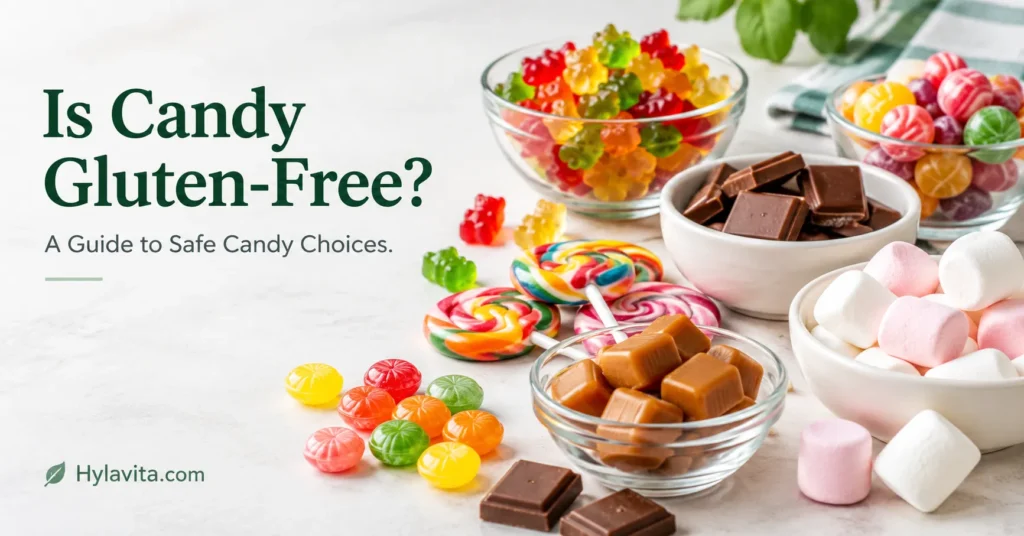
Candy is a favorite treat for many people, but some candies contain gluten. If you follow a gluten-free diet, choosing sweets can sometimes feel confusing. The good news is that many candies can fit into a gluten-free diet. However, ingredients and manufacturing methods can vary between products. This guide to gluten free candy explains which types may be suitable and what to avoid. You will also learn how to read candy labels and spot possible sources of gluten. These simple tips can help you make informed choices when buying candy. Always check the latest packaging before eating a product.
Is Candy Gluten-Free?
Many candies are gluten-free, but not every product is safe for everyone avoiding gluten. It depends on the ingredients and how manufacturers make the candy. Simple hard candies, lollipops, and some chocolates may contain no gluten ingredients. However, candy with wheat flour, wafers, cookies, or barley malt can contain gluten.
Always read the ingredient list before choosing a sweet. In the United States, a gluten-free label means the food must contain less than 20 parts per million of gluten. This standard helps people with celiac disease choose suitable products. However, recipes and manufacturing processes can change over time. Check the package each time you buy candy, especially if you have celiac disease or gluten sensitivity.
Which Types of Candy Are Usually Gluten-Free?
Many candies do not contain gluten ingredients. However, recipes and manufacturing methods can vary between products. Always check the label before choosing candy.
Hard Candy and Lollipops
Many plain hard candies and lollipops contain no gluten ingredients. However, some varieties may include gluten-containing flavorings or coatings. Check the ingredient list and any gluten-free labeling before eating them.
Plain Chocolate and Chocolate Bars
Plain chocolate often contains no gluten ingredients. However, some chocolate bars contain cookies, wafers, or malt. Check filled chocolates and flavored varieties carefully before buying them.
Gummies and Chewy Candy
Some gummy bears, fruit chews, and jelly candies are gluten-free. Others may contain wheat-based ingredients or face cross-contact during production. Always check the specific product’s label.
Marshmallows and Caramel Candy
Many traditional marshmallows contain sugar, gelatin, and corn syrup instead of gluten ingredients. Plain caramel candy may also be gluten-free. However, recipes differ, so check for wheat, barley malt, and other gluten sources. Choose products with clear gluten-free labeling when possible.
Which Candies May Contain Gluten?
Some candies contain gluten because manufacturers use wheat, barley, or other gluten-containing ingredients. Always check the ingredients before choosing candy, especially if you have celiac disease.
Wafer-Filled and Cookie-Based Candy
Candy containing wafers, cookies, or biscuit pieces often contains wheat flour. Chocolate bars with crunchy wafer layers may also contain gluten. Check the ingredient list carefully before buying these products. Choose a clearly labeled gluten-free option when available.
Malt-Flavored Chocolate and Candy
Some chocolates and candies contain barley malt or malt extract. These ingredients come from barley, which contains gluten. Malted chocolate products may therefore be unsuitable for people avoiding gluten. Read the label carefully and check for barley malt ingredients.
Licorice and Wheat-Based Candy
Traditional licorice candy often contains wheat flour, which provides its chewy texture. Some chewy sweets also use wheat-based ingredients as thickeners or binders. However, recipes vary between brands and products. Not every candy called licorice contains the same ingredients. Check the packaging for wheat, barley, and other gluten sources. If you have celiac disease, choose candy labeled gluten-free whenever possible.
Do you like this personality?
How to Check Candy Labels for Gluten
Checking candy labels helps you avoid ingredients that contain gluten. Never assume candy is gluten-free based on its appearance. Always read the packaging before buying or eating it.
Ingredients to Watch For
Look for wheat, barley, rye, and ingredients made from these grains. Wheat flour, wheat starch, and barley malt can contain gluten. Wafers, cookies, and biscuit pieces often contain wheat. Malt extract may also come from barley.
Read the full ingredient list, including flavorings and fillings. If an ingredient seems unclear, contact the manufacturer for more information. Also, check allergen statements for warnings about wheat. However, these statements do not identify every possible source of gluten.
Understanding Gluten-Free Labels
A gluten-free label can help you identify suitable candy more easily. In the United States, FDA rules require foods labeled gluten-free to contain less than 20 parts per million of gluten. Other countries may follow different labeling rules.
Check the package each time you shop because recipes can change. If you have celiac disease, pay attention to possible cross-contact warnings. When you cannot confirm a product’s safety, choose another clearly labeled option. These steps help you make more informed candy choices.
Can Candy Cause Gluten Cross-Contact?
Yes, candy can come into contact with gluten during manufacturing, handling, or packaging. This is called cross-contact. It happens when gluten transfers from one food or surface to another.
For example, manufacturers may use shared equipment to produce different candies. Small amounts of gluten can transfer if cleaning does not remove them. Candy sold in bulk may also contact gluten-containing sweets through shared scoops or containers.
People with celiac disease should take cross-contact seriously. Read product labels and look for clear gluten-free labeling. Contact the manufacturer if you cannot confirm how the candy is produced. When uncertain, choose another product with reliable gluten-free information.
Examples of Gluten-Free Candy Brands and Products
Several candy brands offer products that fit a gluten-free diet. However, not every product from these brands is gluten-free. Availability and ingredients may also vary by country. Always check the current package before buying candy.
Here are some examples to investigate:
- HERSHEY’S KISSES Milk Chocolates: Hershey lists certain KISSES products among its evaluated gluten-free options.
- REESE’S Miniatures Dark Chocolate Peanut Butter Cups: This specific product appears on Hershey’s gluten-free product list.
- MOUNDS Dark Chocolate and Coconut: Hershey lists this candy among its gluten-free products. Check the exact package for confirmation.
- JOLLY RANCHER Original Flavors Hard Candy: Check the current ingredients and gluten-free information before choosing this product.
These examples mainly reflect products listed for the United States. Candy sold in Pakistan or other countries may have different ingredients or packaging.
How to Choose Gluten-Free Candy for Children
Choose candy with clear gluten-free labeling and check the ingredients carefully. Avoid sweets containing wheat, barley malt, or gluten-containing wafers. If your child has celiac disease, consider possible cross-contact during manufacturing. Contact the manufacturer if the label leaves you uncertain. For school parties, birthdays, or trick-or-treating, keep suitable treats available beforehand. Always check packaging, even when your child has enjoyed the same candy before. Ingredients and manufacturing methods can change over time.
Frequently Asked Questions
What Candy Is Safe for a Gluten-Free Diet?
Many hard candies, lollipops, and plain chocolates contain no gluten ingredients. However, ingredients and manufacturing methods vary between products. Check labels and choose candy marked gluten-free whenever possible. If you have celiac disease, consider possible cross-contact.
Can I Kiss My Boyfriend If I Have Celiac Disease?
Yes, kissing your boyfriend is generally safe if you have celiac disease. However, gluten-containing food crumbs in his mouth may cause exposure. Ask him to rinse his mouth and remove food residue before kissing after eating gluten. Ordinary saliva does not contain gluten unless contaminated by food.
Can Kissing Someone Cause Gluten Exposure?
Kissing usually does not cause gluten exposure when both mouths are free from food residue. If your partner recently ate gluten-containing food, small crumbs may remain. Brushing teeth, rinsing the mouth, and drinking water can help remove residue. If you are concerned, discuss practical precautions with your healthcare professional.
Conclusion
Finding gluten free candy becomes easier when you know what to check. Many sweets contain no gluten, but ingredients vary between products. Always read labels and look for clear gluten-free information. Pay attention to wheat, barley malt, and possible cross-contact. If you have celiac disease, choose products carefully and confirm unclear ingredients with manufacturers. These simple steps can help you enjoy candy while following your gluten-free diet safely.
Hylavita’s suggestion to read
- Is Butter Gluten Free? What You Need to Know
- Are Tortilla Chips Gluten-Free? What You Need to Know
- Are All Corn Tortillas Gluten-Free? Ingredients and Safety Explained
Disclaimer: This article provides general information about gluten-free candy and ingredient safety. Candy ingredients and manufacturing methods may change over time. Always check product labels and confirm unclear ingredients with manufacturers. Consult a healthcare professional for advice about celiac disease or gluten sensitivity.